




























The Handwashing Moments Most People Skip in Winter
Winter has a funny effect on handwashing. We are quite good at the obvious moments: after the bathroom, before dinner. But the colder months bring a handful of quieter moments that slip by, often because we are rushing in from the cold, juggling bags, or heading straight for the couch.
The CDC describes handwashing with soap and clean running water as one of the best ways to stay healthy, and it points out that many germs can spread when we touch our eyes, nose or mouth with unwashed hands, or touch surfaces and objects that have germs on them. A few extra well-placed washes through the day can cover more of those moments. This week even includes a good reminder: Global Handwashing Day is celebrated each year on October 15.
A Quick Refresher on the Method
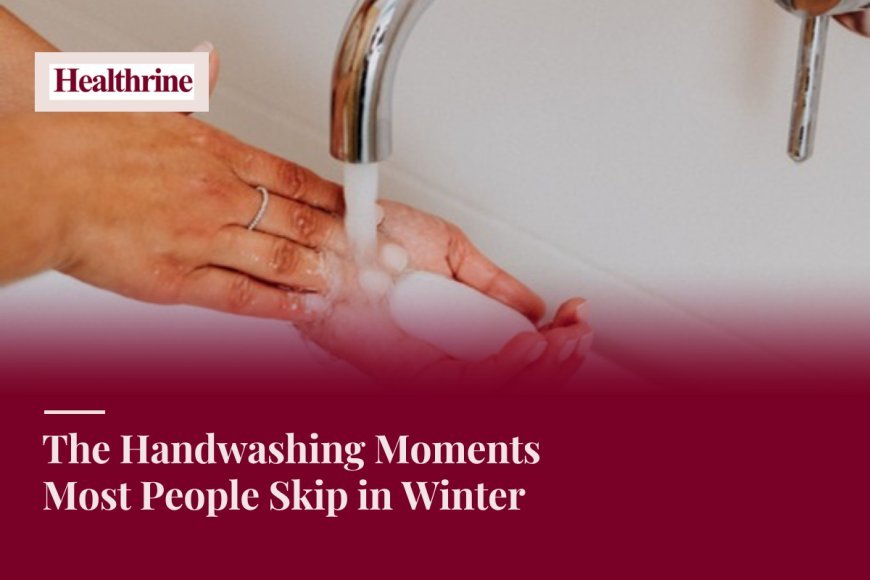
Technique matters as much as timing, and it is easy to rush it. The CDC lists five steps:
- Wet your hands with clean, running water, turn off the tap, and apply soap.
- Lather by rubbing your hands together, including the backs of your hands, between your fingers and under your nails.
- Scrub for at least 20 seconds. Humming "Happy Birthday" from beginning to end twice is a handy timer.
- Rinse well under clean, running water.
- Dry with a clean towel or an air dryer.
The water can be warm or cold, according to the CDC, so there is no need to scald your hands. Twenty seconds can feel surprisingly long at the sink. A song in your head, a small clock near the sink or even a favorite verse of a poem can make the time pass.
If soap and water are not available, the CDC says an alcohol-based hand sanitizer is the backup. The CDC recommends a product with a minimum alcohol content, which the label will tell you, so it is worth checking the CDC page for the current number. Sanitizer works best on hands that are not visibly dirty, and soap and water remain the better choice when you can reach a sink.
The Moments People Often Skip
The CDC's key times to wash include before, during and after preparing food, before and after eating, after blowing your nose, coughing or sneezing, after touching garbage, after touching animals or pet food, after using the toilet and before and after treating a cut or caring for someone who is sick. Many of these have a winter flavor. Here are the ones that tend to get skipped.
After blowing your nose, coughing or sneezing. Winter brings more tissues, and with them a habit of dropping the tissue and moving on. A quick wash before you pick up your keys, your coffee or your phone is easy to forget, and a sink is often only a few steps away. If you cannot get to one right then, a pocket sanitizer can bridge the gap until you can.
Before snacks and while cooking. Winter is a season of grazing: cookies, nuts and a handful of this and that while you are in the kitchen. Washing before you start preparing food, and again if you switch from raw ingredients to ready-to-eat ones, is on the CDC's list. A short pause at the sink before a snack is easy to forget when you are only picking up one cracker.
After touching the trash and pet items. Taking out the bins, refilling the pet's bowl or handling pet food or snacks all show up on the CDC's list. In winter we tend to do these tasks quickly, in coats, with one eye on the door. A wash afterward is easy to skip when the next task is waiting.
When you come in from outside. This one is not on the CDC's key list, but it works well as a habit anchor. Coming through the door is a clear, repeating cue. If you make the sink your first stop, with soap, a 20-second scrub and a towel, you attach the habit to something that already happens every day. Many people find that a cue like this is easier to keep than a vague plan to wash "more often."
After using shared items. Shared door handles, office kitchen taps, grocery carts and shared pens are all part of winter life. Washing before you eat lunch at your desk, or before you rub your eyes at the end of a long day, covers the gap without any special effort.
Before touching your eyes, nose or mouth, or putting in contact lenses. The CDC notes that germs can spread when we touch our eyes, nose and mouth with unwashed hands. Winter brings dry eyes, chapped lips and itchy noses, and we reach for our faces more than we realize. Washing before applying lip balm, eye drops or contact lenses is a practical way to build the habit around something you already do.
After handling your phone and keys. These are not on the CDC's list either, but they are items that travel everywhere with you and often end up on the kitchen counter beside the food. If you make a habit of washing before you cook or eat, rather than right after you set your phone down, you catch the moment that matters without adding extra trips to the sink.
Before and after caring for someone who is unwell. If a family member has a cold or a stomach bug, the CDC suggests washing before and after caring for them. It is an easy step to miss when you are focused on getting them water and blankets.
Making It Stick on Busy Days
A habit that depends on remembering usually fails. A habit tied to a cue usually lasts. A few small supports:
- Put a bottle of hand soap at every sink you actually use, including the laundry room and the garage.
- Keep a small hand towel in the kitchen and bathroom, and swap it out when it gets damp, since a clean towel is part of the CDC's steps.
- Stick a small note by the front door that says "Sink first," at least for the first few weeks.
- Keep a travel-size sanitizer in your bag and your car for the times a sink is not close.
- Tie the wash to something you already do, such as before you put the kettle on or before you open the fridge.
Children usually learn handwashing by watching. Making the wash a visible, relaxed part of the routine, without turning it into a lecture, tends to go over better than reminders.
Looking After Dry Winter Hands
Cold, dry air and frequent washing can leave hands feeling rough, and sore skin is one of the quickest reasons people start skipping the sink. The American Academy of Dermatology suggests a few simple habits:
- Use lukewarm water and a soap that feels gentle on your skin. Some soaps are more drying than others, and you may need to try a few.
- Pat your hands dry and leave them slightly damp.
- Apply a hand cream or ointment right away, working it into your fingertips and around your nails. Creams or ointments from a tube or tub tend to be less irritating than thinner pump lotions, and fragrance-free and dye-free versions are often easier on dry skin.
- Keep a small tube in your bag, at your desk and beside the sink so you can reapply after washing.
- Wear gloves for wet chores like washing dishes and for time outside in cold, dry air.
Moisturizing after washing does not undo the wash. If your hands stay very dry, cracked or sore even after these steps, a dermatologist or pharmacist is a good person to ask.
No routine can promise you will never catch a cold. Washing is one helpful habit among several, alongside fresh air, rest and staying home when you are unwell. But it is a small habit, it costs almost nothing, and the winter moments above are an easy place to start. Pick one this week, such as the sink first when you come through the door, and let it become part of the way your day goes.
What's Your Reaction?
 Like
0
Like
0
 Dislike
0
Dislike
0
 Love
0
Love
0
 Funny
0
Funny
0
 Angry
0
Angry
0
 Sad
0
Sad
0
 Wow
0
Wow
0