


























Step Aerobics Is Back: A Low-Cost Cardio Workout for Home
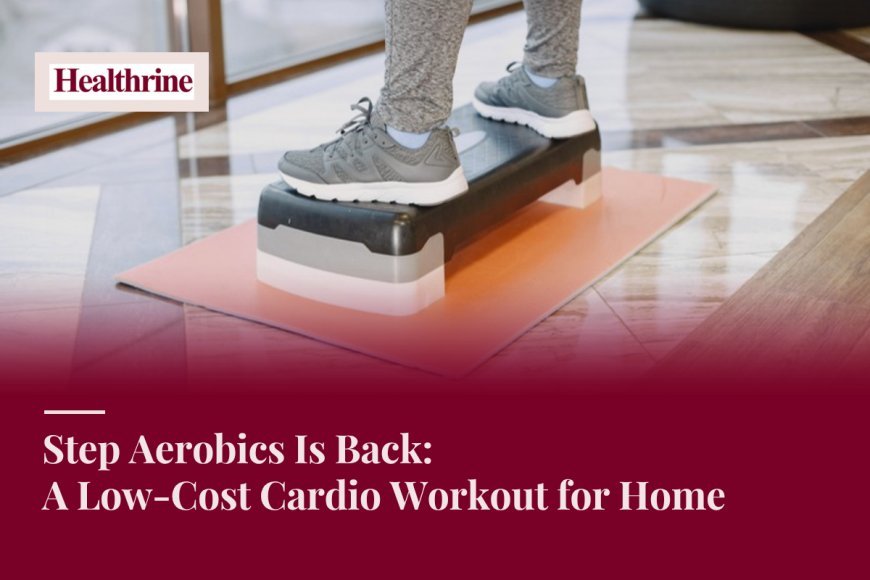
Step aerobics may feel like a throwback, but it is easy to bring back at home. All you need is a sturdy step, some music you like, and a little floor space. There is no membership, no complicated machine, and no need for fancy choreography. Just step up, step down, and let the rhythm carry you.
This guide covers the low-cost setup, how to choose a safe step height, and a timed routine of about 25 minutes that you can try in your living room. If you are brand new to exercise or have knee, hip, or balance concerns, check with your doctor first, then take it slowly.
A Low-Cost Setup
You do not have to buy a branded step to get started. What matters is that it is stable, non-slip, and the right height for you:
- A purpose-made step. A basic aerobic step with adjustable risers is inexpensive, light, and designed for this movement. The surface should be textured so your shoes grip.
- A bottom stair. If you have stairs, the bottom step can work, as long as there is a clear space around it and the surface is not slippery. Measure its height, because stairs are often taller than a beginner step.
- A sturdy low bench. Some people use a solid, low bench or platform. Test it first by standing on it to make sure it does not wobble or slide.
Skip anything unstable, such as stacks of books, soft cushions, or lightweight boxes. Wear supportive athletic shoes, keep the floor dry, and clear away rugs, cords, and toys. Keep a water bottle and a towel nearby, and choose music with a steady beat.
Choosing a Step Height
Higher is not always better. The American Council on Exercise (ACE) lists a 4-inch platform for people who have not exercised regularly for a while, and up to 6 inches for regular exercisers who are new to step training. The most common height is 8 inches, and highly skilled steppers may use up to 10.
The guidelines also give a handy rule of thumb. Whatever your level, choose a height that does not make your knee bend deeper than 90 degrees when you stand on the step with your full weight on that leg. If you are on the shorter side, you may find a lower height feels better. Use the lowest height that still gives you a good workout, and move up only when the lower one feels easy and controlled. ACE also advises that anyone with ongoing knee problems get a doctor's approval before starting step training.
Moves to Know Before You Begin
Good form makes step workouts smoother and more comfortable:
- Step on with your whole foot. Place your entire foot on the platform, and keep your heel from hanging over the back edge.
- Step softly. Aim for quiet landings, both on the step and on the floor.
- Stand tall. Keep your head up, shoulders relaxed, chest open, and knees soft. If you lean, lean from the ankles, not the waist.
- Stay close to the step. Come down near the platform rather than far away from it, so your landing stays controlled.
- Look down briefly. A quick glance at the platform helps, but keep your head level for most of the move.
A 25-Minute Routine
You will need the step, a timer or playlist, and water. Aim for a pace where you can talk but not sing. The CDC calls this "moderate intensity" and uses it as an easy gauge. Many step workouts use music at around 118 to 122 beats per minute for newer exercisers, but any steady, comfortable beat will do.
- Minutes 0 to 3: Warm-up. March in place on the floor, roll your shoulders, and add gentle step-touches to the side.
- Minutes 3 to 6: Basic step. Step up with the right foot, then the left, and down with the right, then the left. Spend one minute leading with the right, one with the left, and one alternating.
- Minutes 6 to 9: Knee lifts. Step up and lift the opposite knee, step down, and switch. Add a gentle arm swing if it feels natural.
- Minutes 9 to 11: Recovery. March slowly on the floor, sip water, and let your breathing settle.
- Minutes 11 to 14: Side stepping. Stand to the side of the step. Step up with the near foot, bring the other foot up, step down on the far side, and repeat back and forth.
- Minutes 14 to 17: Heel curls. Step up, curl one heel toward your glute, step down, and switch. Keep your knees soft.
- Minutes 17 to 20: Mix it up. Combine any of the moves above in a sequence you like, such as four basic steps, four knee lifts, four heel curls, then repeat.
- Minutes 20 to 22: Cool-down. March slowly on the floor, then gradually slow down and let your arms relax.
- Minutes 22 to 25: Stretch. Gently stretch your calves, front of the thighs, back of the thighs, and chest, holding each for about 20 to 30 seconds without bouncing.
If 25 minutes feels like too much, do the first 14 and finish with the cool-down. You can build up as the weeks go by.
Making It Work in Real Life
The CDC suggests adults aim for about 150 minutes of moderate-intensity activity a week and notes that you can spread it out in smaller chunks. A 25-minute step session two or three times a week can fit comfortably into that picture, alongside walks and other movement you enjoy. A few ideas for sticking with it:
- Pick a regular slot. Right after work, before dinner, or during a favorite podcast makes it easier to repeat.
- Make a playlist. Build one with songs you like at a steady tempo and use the songs as your timer.
- Work up gradually. Add a few minutes, a new move, or a slightly higher step only when the current plan feels easy and comfortable.
- Take a rest day. A day between sessions gives your legs a break, and a gentle walk or stretch on off days keeps you moving.
- Keep your arms low at first. ACE notes that raising your arms above shoulder level makes your heart work harder and can leave you breathless, so keep them at or below shoulder height while you learn the moves, then add arm reaches later if you want more challenge.
- Have an easier option ready. On tired days, swap the stepping for slow marches on the floor beside the step. You still keep moving, and you keep the habit going.
- Invite someone. A friend or family member on a second step makes it more of a game.
A good first week might look like this: on day one, do only the warm-up, basic step, and cool-down, about 12 minutes in all. On day two, rest or walk. On day three, repeat the same 12 minutes and add the knee lifts. By the end of the second week, you may find the full 25 minutes feels comfortable. There is no deadline, and the pace is yours.
Listen to Your Body
Mild tiredness in your legs and a pleasant, warm feeling is expected. Sharp pain, dizziness, chest discomfort, or pain in your knees, hips, or ankles is a sign to stop and rest. Stop if something feels off, and speak with your doctor before continuing. If you are returning to exercise after a long break, take it a little slower and give yourself a few weeks to settle in.
Step workouts are happily low-tech. A step, a playlist, and 25 minutes can be a pleasant way to move, with plenty of room to adapt it to your own pace. Try the first six minutes today, and see how it feels.
What's Your Reaction?
 Like
0
Like
0
 Dislike
0
Dislike
0
 Love
0
Love
0
 Funny
0
Funny
0
 Angry
0
Angry
0
 Sad
0
Sad
0
 Wow
0
Wow
0