






























Fall Soup Season: How to Make a Bowl More Filling and Balanced
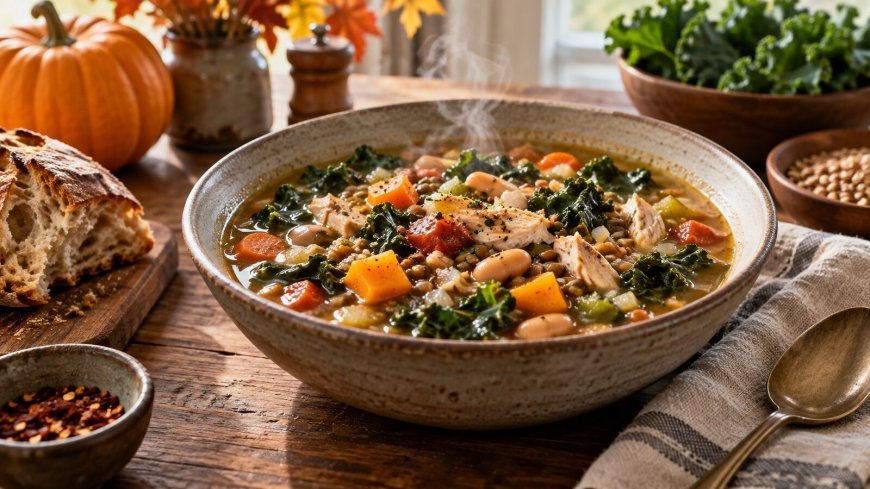
A warm bowl of soup can be one of fall's easiest meals, but some recipes leave you hungry soon afterward. The answer is not making every soup heavy; it is combining protein, fiber-rich plants, satisfying carbohydrates, and flavor.
Build a Flavorful Base
Onion, garlic, celery, carrots, herbs, and spices create depth. Use broth, tomatoes, coconut milk, or blended vegetables, and taste before adding salt.
Add a Protein Anchor
Beans, lentils, split peas, tofu, chicken, turkey, fish, eggs, or yogurt can make a bowl more substantial. Choose what fits your recipe and preferences.
Bring in More Vegetables
Squash, cabbage, mushrooms, kale, carrots, cauliflower, and frozen vegetables all work well. Add sturdy vegetables early and tender greens near the end.
Choose a Satisfying Carbohydrate
Potatoes, barley, brown rice, whole-grain pasta, corn, or hearty bread can round out the meal. Match the portion to your appetite.
Use Texture and Acidity
Add seeds, crisp chickpeas, herbs, toasted bread, lemon, or yogurt. Contrast often makes a bowl feel complete without excessive richness.
A Simple Formula
- One broth or blended base
- At least two vegetables
- One protein
- One grain or starchy vegetable if desired
- One fresh, creamy, or crunchy finish
Cool leftovers promptly and freeze portions you will not eat soon. Store pasta separately when possible so it does not absorb all the broth.
Start with a satisfying base
Broth-based soups can feel light unless the bowl includes ingredients that last. Add beans, lentils, chicken, turkey, tofu, eggs, or yogurt where the flavor fits. Potatoes, rice, barley, noodles, or whole grains can make the meal more substantial without turning it into a complicated recipe.
Use vegetables for texture, not punishment
Frozen vegetables, canned tomatoes, chopped greens, carrots, squash, and leftover roasted vegetables all work. Use two or three that taste good together. Blending part of the soup can create body while leaving enough pieces to make the bowl interesting.
Build flavor in layers
Cook onion, garlic, or spices briefly before adding liquid when time allows. Acid from lemon or vinegar can wake up a flat pot. Fresh herbs, grated cheese, pesto, chili crisp, or toasted seeds can make leftovers feel different the next day.
Add a practical side
A bowl of soup becomes a fuller meal with toast, a simple sandwich, fruit, salad, or crackers with cheese. Choose the side based on what the soup lacks rather than following a rigid rule.
Make canned soup work harder
Canned soup can be a useful starting point. Add frozen vegetables, rinsed beans, leftover chicken, cooked rice, or greens. Taste before adding salt because packaged soup can already contain plenty. One can can often become two balanced servings with a few additions.
Plan leftovers safely
Cool leftovers promptly in shallow containers and refrigerate them. Reheat only the portion you need until it is steaming hot. Freeze extra servings early rather than waiting until everyone is tired of the same pot.
A simple formula
Choose one flavorful liquid, one protein, one starch, and two vegetables. Finish with something bright or crunchy. The formula works with homemade soup, leftovers, or a store-bought base and keeps fall meals flexible.
Keep the routine realistic
Soup does not need to simmer all day. A twenty-minute pot made from broth, beans, frozen vegetables, and leftover grains still counts. The best fall soup is the one that fits the evening and leaves you comfortably fed.
Shop once for several bowls
Keep broth, canned beans, frozen vegetables, grains, and one favorite finishing sauce available. These ingredients create several combinations without requiring a separate recipe for every night. Label frozen portions with the name and date so they become an easy meal instead of a mystery container.
Adjust the bowl for different appetites
Serve toppings and sides separately when household appetites differ. One person can add bread and cheese, while another chooses extra vegetables or beans. This avoids cooking multiple dinners and lets each person build a bowl that feels complete.
Pay attention to comfort
Increase beans, lentils, and other fiber-rich foods gradually if they are not regular parts of your meals. Drink fluids and choose portions that feel comfortable. A nourishing routine should work for your household rather than follow an internet challenge.
Bottom line
A filling fall soup combines flavor, texture, protein, vegetables, and enough energy for the meal. Use shortcuts freely, improve packaged soup with ordinary groceries, and freeze extra portions before they are forgotten.
Turn one pot into different meals
Change the toppings instead of cooking another dinner. Add herbs and lemon one night, grated cheese and toast the next, or salsa with crushed tortilla chips. If the soup becomes too thick in the refrigerator, loosen only the portion being reheated with water or broth. Keeping toppings separate lets everyone adjust flavor and helps crunchy ingredients stay crisp.
Taste before serving
A small amount of acid, spice, or freshness often improves a tired leftover more than extra salt. Lemon, vinegar, herbs, pepper, or a spoonful of yogurt can change the whole bowl. This final check makes batch cooking feel less repetitive and gives yesterday's soup a useful second life.
What's Your Reaction?
 Like
0
 Dislike
0
 Love
0
 Funny
0
 Angry
0
 Sad
0
 Wow
0