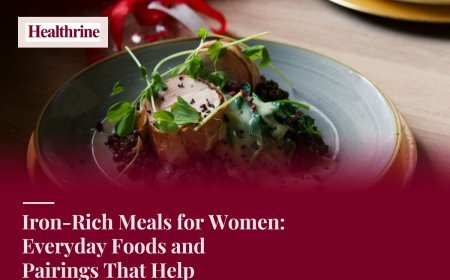


















Iron-Rich Meals for Women: Everyday Foods and Pairings That Help
Iron is one of those nutrients that comes up in conversation more often than it shows up in meal planning. A friend mentions it after a checkup. A relative reminds you to eat your spinach. Then dinner happens, and it's pasta again.
The good news is that eating iron-rich foods doesn't require a special diet or unusual ingredients. Many everyday foods contain iron, and a few simple pairings can make the iron in plant foods easier for your body to use. This guide walks through where iron shows up, why women's needs are a little different, and how to build meals around it without overthinking.
Why Iron Comes Up So Often for Women
According to the National Institutes of Health (NIH), the recommended daily amount of iron for women ages 19 to 50 is 18 milligrams, compared with 8 milligrams for men of the same age. After age 51, the recommendation for women drops to 8 milligrams. During pregnancy it rises to 27 milligrams. Much of that difference before midlife is related to iron lost during menstrual periods.
The NIH also notes that people who eat a mostly plant-based diet may need almost twice the listed amount, because the body doesn't absorb the iron in plant foods as well as the iron in animal foods.
You don't need to count milligrams at every meal. The point is simply that iron-rich foods deserve a regular spot on the plate, especially for women in their reproductive years.
Two Kinds of Iron, Explained Simply
Iron in food comes in two forms.
Heme iron is found in meat, poultry, and seafood. Your body absorbs it relatively easily.
Nonheme iron is found in plant foods, like beans, lentils, tofu, spinach, and nuts, and in fortified foods such as many breakfast cereals and enriched breads. Meat, poultry, and seafood actually contain both kinds.
Nonheme iron is the one where pairing matters. According to the NIH, your body absorbs iron from plant sources better when you eat it alongside meat, poultry, or seafood, or with foods that contain vitamin C. That's the idea behind most of the meal suggestions below.
Everyday Foods That Bring Iron to the Table
You may be surprised how many familiar foods contribute. Drawing on the NIH list of iron sources, here are some easy ones to keep in rotation:
- Lean beef, chicken, and turkey
- Seafood such as oysters, clams, sardines, and canned light tuna
- Iron-fortified breakfast cereals and enriched breads, rice, and pasta
- Beans and legumes, including white beans, kidney beans, chickpeas, lentils, and peas
- Firm tofu
- Spinach and other leafy greens
- Nuts like cashews and pistachios, plus seeds such as pumpkin seeds
- Dried fruit such as raisins
- Baked potatoes with the skin on
- Dark chocolate, as an occasional sweet
One note on spinach: the NIH points out that although spinach contains iron, natural compounds in it make that iron harder to absorb. It's still a great food. Just don't count on it alone.
Canned and frozen options count too. A can of white beans or a bag of frozen peas is just as useful as anything fresh, and much easier on a busy night.
Pairings That Make a Difference
This is where small choices add up. Vitamin C foods that the NIH lists as helpful partners include citrus fruits, strawberries, sweet peppers, tomatoes, and broccoli. Pairing one of them with a plant source of iron is an easy habit.
Some simple combinations:
- Lentil soup with diced tomatoes and a squeeze of lemon at the end
- Black bean tacos topped with fresh salsa and sliced bell peppers
- Fortified cereal with a handful of strawberries or a glass of orange juice
- Spinach salad with orange segments, pumpkin seeds, and a few slices of grilled chicken
- Chickpea curry with tomatoes and a side of steamed broccoli
- Tofu stir-fry with red peppers, snap peas, and broccoli
Combining a small amount of meat or seafood with beans or greens works in the same way. A chili made with both ground beef and kidney beans, or a pasta with clams and peas, brings heme and nonheme iron to the same bowl.
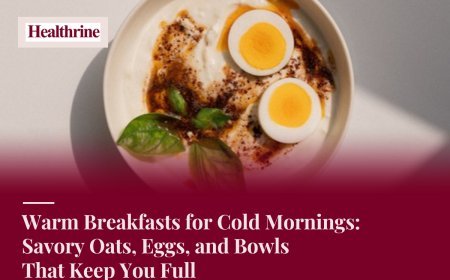
Breakfast is an easy place to start, since it's often the most repetitive meal of the day. If you already eat cereal, check the label and consider a fortified one. If you prefer eggs, add sautéed spinach and a side of fruit. Even a slice of enriched toast with peanut butter and a clementine is a thoughtful pairing.
There are also a few things that can make nonheme iron harder to absorb. Harvard's Nutrition Source notes that large amounts of calcium, particularly from pills, along with compounds found in tea and coffee, can have this effect. If you love an afternoon tea or a latte, one easy approach is to enjoy it between meals rather than with your iron-rich lunch. The NIH adds that in a typical varied diet, these effects tend to have little impact for most people, so there's no need to give up foods you enjoy.
A Week of Simple Iron-Friendly Meals
If you'd like a starting point, here's a loose week of ideas. Mix and match freely.
A little prep on the weekend makes this much easier. Cook a big pot of lentils or beans, or simply open a few cans and rinse them, then keep them in the fridge for salads, soups, and grain bowls. Roast a tray of peppers and broccoli at the same time. Hard-boiled eggs, a bag of shelled pumpkin seeds, and a container of cut citrus also make it simple to build iron-friendly lunches without starting from scratch every day. Leftover chili or stew often tastes even better the next day and freezes well for a busy night later in the month.
Monday: Turkey and white bean chili with tomatoes, topped with a little cheese and cilantro.
Tuesday: Fortified cereal or oatmeal with strawberries for breakfast; a lentil and roasted red pepper salad for lunch.
Wednesday: Sheet-pan chicken thighs with potatoes (skin on) and broccoli, finished with lemon.
Thursday: Tofu and vegetable stir-fry with peppers over enriched rice.
Friday: Whole wheat pasta with canned sardines or tuna, cherry tomatoes, garlic, and spinach.
Saturday: Beef and vegetable stew with carrots, potatoes, and peas.
Sunday: Chickpea and spinach curry with tomatoes, served with a side of orange slices.
Snacks across the week might include trail mix with cashews, pumpkin seeds, and raisins, or hummus with sliced red peppers.
None of these meals are unusual. That's the point. Iron-friendly eating mostly means choosing these foods a bit more often and pairing them thoughtfully.
When to Check In With Your Provider
Food is a great foundation, but it isn't the whole story for everyone. If you're concerned about your iron levels, feel unusually tired for a stretch, are pregnant or planning a pregnancy, or follow a fully plant-based diet, talk with your health care provider. They can look at your situation, decide whether any testing makes sense, and give advice that fits you. It's best not to start taking iron pills on your own without that conversation, since too much iron can cause problems of its own.
In the meantime, a can of beans, a squeeze of lemon, and a handful of strawberries can quietly do a lot. Small, repeatable pairings at meals you already enjoy are often the most sustainable way to keep iron on the menu all season long.
What's Your Reaction?
 Like
0
 Dislike
0
 Love
0
 Funny
0
 Angry
0
 Sad
0
 Wow
0