


















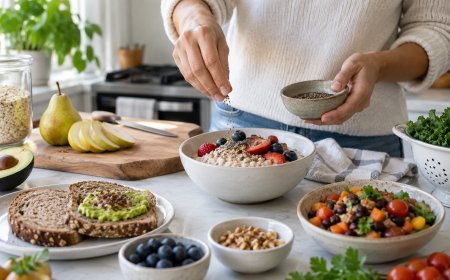






The Grocery-Cart Formula That Makes Weeknight Meals Easier
Weeknight meals often fail before the pan heats up. The real bottleneck is the cart. You come home from the store with random inspiration items, no shared plan, and a fridge that still somehow feels empty at 6:30. A grocery-cart formula is a simple shopping pattern that makes Tuesday cooking easier without turning food into a clinic project.
This piece shares a practical cart formula for ordinary weeknights. It is Nutrition and Weight Loss category content in the Healthrine sense: grocery-store food on a Tuesday, not a diet clinic, not a calorie courtroom, and not a meal-plan religion. The goal is fewer blank stares in front of the fridge and more dinners that come together with less friction.
Why Cart Chaos Becomes Kitchen Chaos
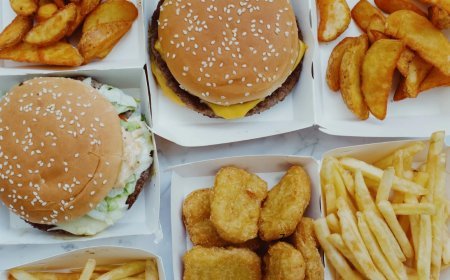
Impulse aisles are persuasive. Sales shout. Hunger shopping adds snacks that do not become meals. You may leave with interesting jars and still lack a protein, a vegetable, and a starch that want to be dinner together. Cooking then becomes improvisation under time pressure, which is why takeout wins on loud nights.
A formula does not kill joy. It reduces decision load. You still choose flavors. You simply shop in repeating categories so the kitchen always has the building blocks of a plate. Creative cooking is easier when the basics are already home.
Many people blame their cooking skill when the missing piece was shopping structure. Skill matters. So does having tortillas, eggs, and a vegetable that can become dinner in twenty minutes without another store run.
The Five-Part Cart Formula
Think in five lanes every regular shop. Adjust quantities to household size. The names are plain on purpose so you can reuse them under stress.
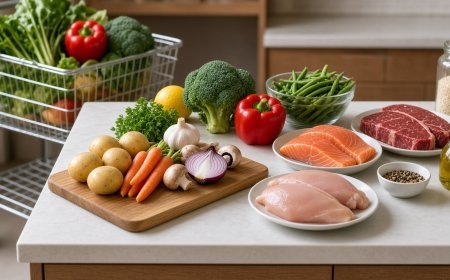
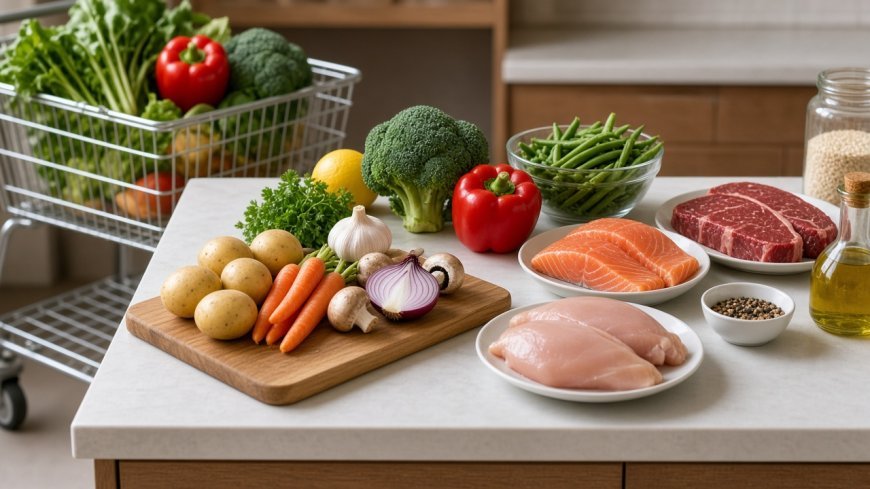
- Proteins you can cook fast or reheat: eggs, beans, tofu, fish, chicken, ground meat, lentils, yogurt for savory bowls
- Vegetables that survive the week: bagged salad, broccoli, peppers, frozen mixed veg, carrots, cabbage
- Steady carbohydrates: rice, tortillas, pasta, potatoes, bread you actually like, oats for easy breakfasts
- Flavor builders: onions, garlic, lemons, salsa, soy sauce, herbs, spice blends, a favorite sauce
- Easy extras: fruit, cheese, nuts, hummus, or whatever makes leftovers feel like a real meal
If the cart covers those five, weeknights get dramatically less mysterious. You can mix and match without a printed meal plan taped to the fridge. The formula is a scaffold, not a script.
A Sample Cart That Still Feels Like Your Kitchen
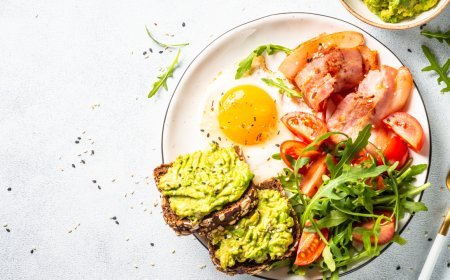
Imagine a midweek shop for two or three people. Proteins: a pack of chicken thighs, a dozen eggs, a couple cans of beans, Greek yogurt. Vegetables: a salad kit, frozen broccoli, cherry tomatoes, spinach. Carbs: tortillas, microwaveable rice cups for emergencies, a bag of potatoes. Flavor: salsa, garlic, a jar of pesto, chili crisp. Extras: bananas, apples, feta, and ingredients for one planned comfort night rather than a random binge cue.
Nothing here requires specialty stores. Swap for your culture, budget, and tastes. The formula is the lanes, not the exact products. A bean-and-rice household and a fish-and-potato household can share the same five-lane logic.
Shop the Perimeter and the Freezer Without Dogma
Fresh produce and proteins often live on the perimeter. The freezer and center aisles still matter for real life. Frozen vegetables are weeknight heroes. Canned beans are dinner insurance. Pasta is not a moral failure. Use the whole store with intention rather than performing a purity tour that collapses by Thursday.
A useful check before checkout: can I name three dinners this cart could become without another store run? If not, you are probably missing a lane. Add the missing piece instead of adding another novelty snack that looks exciting and cooks into nothing.
- Name three possible dinners before you leave the aisle maze
- Include at least one no-cook or nearly-no-cook backup meal
- Buy flavor builders so plain proteins do not taste like punishment
- Keep one familiar comfort meal ingredient set on repeat
- Leave with fruit that is ready to eat, not only ambitions
Link the Cart to Three Default Weeknight Plates
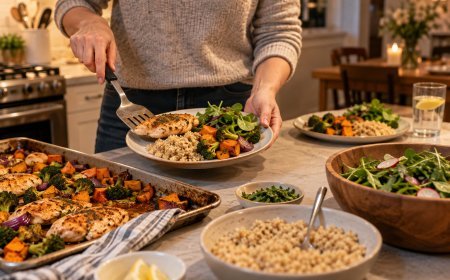
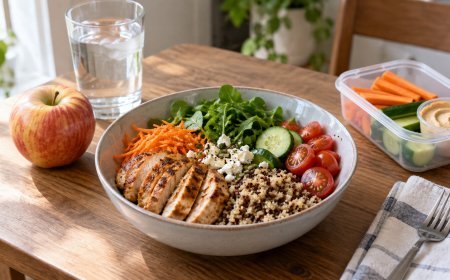
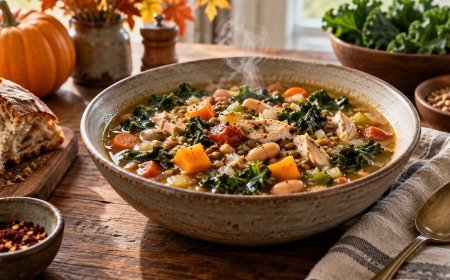
Formulas stick when they connect to default meals. Choose three templates you can cook half-asleep: taco plates, grain bowls, egg skillet nights, pasta with a big side salad, sheet-pan protein and vegetables, soup with bread. Your cart should feed those templates first. Seasonal specials can ride along, but defaults pay the rent.
Write your three templates on a note in your phone. Shop from the templates, not from a vague hope that future-you will feel inspired after a long day. Inspiration is lovely. Defaults are how busy weeks eat.
Hunger, Kids, and Partner Preferences
Hungry shopping breaks formulas. Eat a snack first when you can. If you shop with kids, give them a job inside the formula: pick the fruit, choose the tortilla type, select a frozen vegetable. Partners who hate certain foods can veto within a lane rather than vetoing the whole structure. Negotiation stays smaller when categories are clear.
Budget weeks can lean harder on eggs, beans, frozen produce, and store brands. The formula still works. It was never about luxury ingredients or performing a lifestyle brand in the produce aisle.
What to Do With the Cart Once You Are Home
Spend ten minutes on landing the groceries so weeknights stay easy. Wash and clear a few vegetables if that helps you. Move proteins to easy-to-see shelves. Put the emergency rice cups where you will actually grab them. Open the salsa. Future-you at 6:40 is not looking for treasure. Future-you wants visible options.
You do not need full meal prep. Ingredient readiness is enough for most households, which is why a sister habit of Sunday ingredient prep pairs well with this cart formula. Shop the lanes, then make a few components easier to grab.
Midweek Mini-Top-Ups Without Restarting Chaos
Even a good cart can run thin by Thursday. A short midweek top-up works best when it follows the same lanes instead of becoming a second inspiration spree. Grab the missing protein, restock salad or frozen vegetables, replace fruit, and leave. Resist the novelty aisle unless it clearly serves one of your three default plates.
Delivery apps and pickup orders can use the same formula. Build a saved list with the five lanes so reordering does not drift into snacks-only carts. Convenience tools are only as helpful as the structure you give them.
If you cook for one, scale down without abandoning lanes. A single person still benefits from a protein, a vegetable, a carbohydrate, a flavor builder, and an extra. Smaller packages and freezer portions keep waste low while preserving the pattern.
What This Is Not
This is not a weight-loss clinic, calorie prescription, or elimination diet. It is not a claim that one cart formula cures anything. It is not a ban on treats, takeout, or cultural foods you love. It is a shopping pattern that makes weeknight meals easier to assemble from grocery-store food on ordinary Tuesdays.
If you have personal nutrition questions, talk with a qualified professional who knows your situation. This article stays with cart infrastructure on purpose.
Bottom Line
Weeknight ease begins in the cart. Shop proteins, vegetables, steady carbohydrates, flavor builders, and easy extras as repeating lanes. Tie the cart to three default plates you already like. Check that the haul can become three dinners before you check out.
On your next shop, bring the five-lane list and name three dinners in the parking lot before you drive home. Notice whether Tuesday feels less like a fridge mystery. That single experiment is enough to begin.
What's Your Reaction?
 Like
0
Like
0
 Dislike
0
Dislike
0
 Love
0
Love
0
 Funny
0
Funny
0
 Angry
0
Angry
0
 Sad
0
Sad
0
 Wow
0
Wow
0