






















How Two Short Strength Sessions Can Fit Into a Busy Week
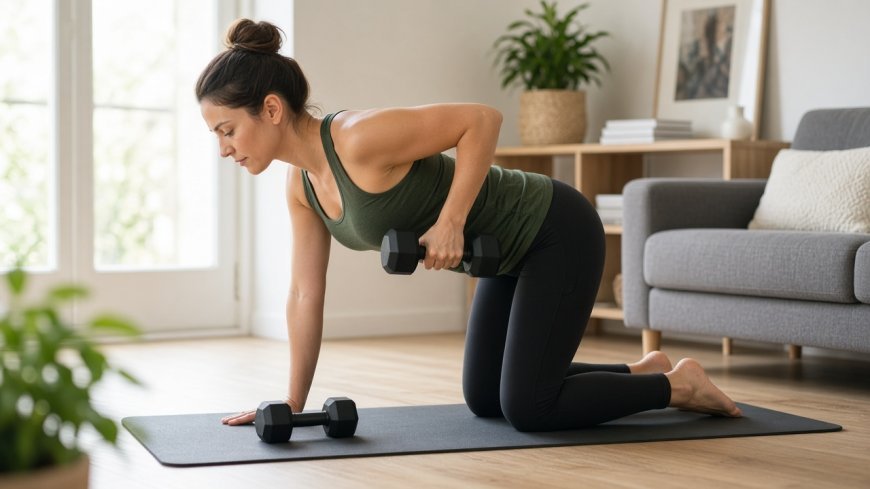
Busy weeks do not usually fail strength habits because people hate getting stronger. They fail because the plan assumes a life that is quieter than the one you have. A sixty-minute gym block five days a week sounds organized on Sunday night. By Wednesday it is a guilt souvenir. Two short strength sessions is a different bet: small enough to fit, serious enough to matter for how daily life feels.
This is a lifestyle fitness guide to placing two short strength sessions into a normal week. It is not a bodybuilding program, not a challenge with shame-based streaks, and not physical therapy. It is a coach-friend approach for people who want to feel a bit more capable carrying groceries, climbing stairs, and sitting at a desk without melting into the chair.
Why Two Sessions Beat an Imaginary Ideal Week
Frequency myths convince people that if they cannot train often, they should not train at all. That all-or-nothing switch is how months pass with zero strength practice. Two sessions give your body regular contact with pushing, pulling, hinging, and squatting patterns without demanding a second job.
Short matters as much as two. Twenty to thirty-five focused minutes can cover a useful full-body circuit when you stop padding the session with wandering and phone checks. The win is repeatable contact, not a cinematic workout montage.
What Counts as a Short Strength Session
A short session is a handful of movements that work major patterns, done with attention, then finished. You do not need a crowded rack. Bodyweight, resistance bands, dumbbells, or a backpack with books can all serve. The session has a beginning, a middle, and a clear end so it does not dissolve into open-ended roaming.
Think in patterns rather than in celebrity exercise lists. A simple template many people can adapt:
- One squat or sit-to-stand pattern
- One hinge or hip-dominant pattern (such as a hip hinge with light load or a bridge)
- One push (wall, counter, or floor push-up variation)
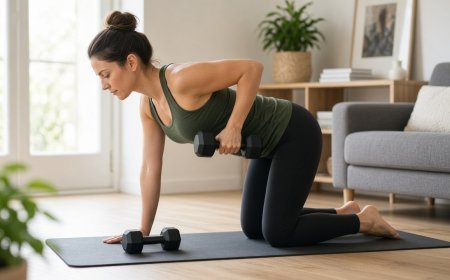
- One pull (band row, towel row, or inverted row if you have a sturdy setup)
- One carry or core brace (suitcase carry, farmer carry with bags, or a short plank you can own)
Two or three rounds of that circuit, breathing steadily, is a complete short session for a busy week. Add or swap movements only when the basics feel automatic.
Where to Put the Two Sessions on a Real Calendar
Placement beats inspiration. Choose anchors you already trust. Tuesday and Friday mornings before email. Monday lunch and Thursday after school drop-off. Wednesday evening and Saturday late morning. The best pair is the pair you will still do when the week gets noisy.
Leave at least one day between sessions when you can, so your body gets a little recovery room. If the week collapses and both sessions land closer together, keep them shorter and kinder rather than canceling. A messy week with two abbreviated sessions still teaches your identity that strength belongs here.
- Pick two recurring calendar blocks of 25–35 minutes
- Treat them like meetings you intend to keep
- Stage shoes, band, or dumbbells the night before
- Decide a minimum version for chaotic days (even 12 focused minutes)
A Sample Session You Can Steal
Minute 0–3: easy march in place, arm circles, a few hip openers. Minute 3–25: two or three rounds of sit-to-stand, hip hinge, push-up variation, band row, and a short carry or brace. Rest as needed between moves so form stays tidy. Minute 25–30: slow breathing, a gentle stretch you like, water. Then leave. Do not negotiate a bonus round that makes you dread Thursday.
If you prefer fewer transitions, do all sets of one move before switching. Either structure works. What matters is finishing while you still feel capable, not destroyed. Lifestyle strength should leave you able to continue your day.
Home, Office, and Travel Versions
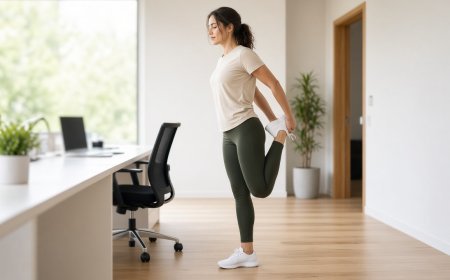
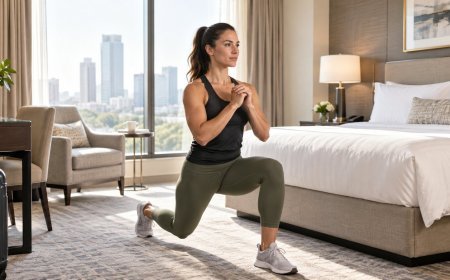
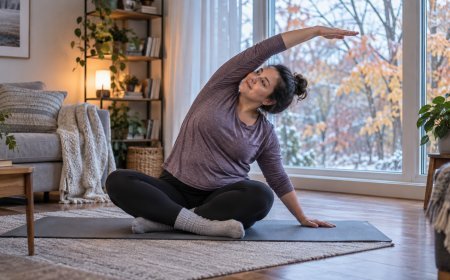
At home, claim a clear patch of floor and keep a tiny kit visible: band, pair of dumbbells, yoga mat if you like one. Visibility lowers friction. At an office, a quiet room or the end of a hallway can host wall push-ups, sit-to-stands from a sturdy chair, and band rows around a door anchor if your workplace allows safe setups. On travel days, bodyweight patterns in a hotel room still count. The session is the practice, not the ZIP code.
If you already belong to a gym, two short gym visits can follow the same template. Arrive with a written list so you do not wander into a ninety-minute browse. Busy-week strength loves a short menu.
Progress Without Turning Life Into a Spreadsheet
Progress can be quiet. Add a rep. Slow the lowering phase. Stand slightly farther from the wall on push-ups. Use a slightly stronger band. Hold the carry a hallway longer. Change one variable at a time every couple of weeks when sessions feel comfortable. If a week is rough, maintain. Maintenance is not failure. It is how busy seasons stop erasing your base.
Track only what helps. A calendar X, a note in your phone, or nothing at all. If tracking becomes pressure, drop it. The point is feeling a bit more solid in ordinary tasks, not winning a private contest.
Busy-Week Minimums That Protect the Habit
Some weeks will laugh at your calendar. Keep a floor so the habit survives. One round of the circuit. Or three moves only: sit-to-stand, push, and row. Or a ten-minute session that still has a clear start and stop. Tell yourself the minimum is a win. Intensity can return when the calendar softens.
What usually kills the habit is the canceled perfect session. What keeps it alive is the shortened honest one.
Pairing Strength With Walking Without Overstuffing the Week
Many people already walk and worry that adding strength will tip the calendar over. It does not have to. Keep walking as your everyday movement and let the two strength sessions be distinct islands. On strength days, a short walk can still happen, just keep the combined load friendly. On pure walk days, enjoy the simpler ask. The week needs both kinds of contact more than it needs a packed badge of busyness.
If energy is low, choose the appointment that protects identity. Sometimes that is the strength session you keep skipping. Sometimes that is an outdoor walk that restores your mood so tomorrow's session has a chance. Kind sequencing beats rigid purity. You are building a sustainable movement life, not proving toughness to a silent audience.
What This Is Not
This is not a hypertrophy program, not medical advice, and not a promise about body composition timelines. It will not diagnose, treat, or cure anything. It is not a claim that two sessions replace walking, sleep, or food habits that also shape how you feel. It is simply a realistic placement: twice-weekly strength contact sized for a life that already has a job, people, and laundry.
If something feels sharp or wrong, ease off and choose comfort. Personal questions about starting new activity belong with a qualified professional who knows you. This article stays lifestyle on purpose.
Bottom Line
Two short strength sessions can fit a busy week when you stop waiting for an ideal schedule. Pick two anchors, use a simple full-body pattern menu, keep sessions short enough to finish, and protect the habit with minimum versions on loud days. Strength for daily life grows from friendly repetition, not from plans that only work on paper.
Tomorrow, choose two calendar blocks for this week and write a five-move list. Complete one short session. That single finished session is enough to begin building a week that includes strength without pretending you have endless time.
What's Your Reaction?
 Like
0
Like
0
 Dislike
0
Dislike
0
 Love
0
Love
0
 Funny
0
Funny
0
 Angry
0
Angry
0
 Sad
0
Sad
0
 Wow
0
Wow
0