


























The 7-Minute Hotel-Room Workout You Can Do Without Equipment
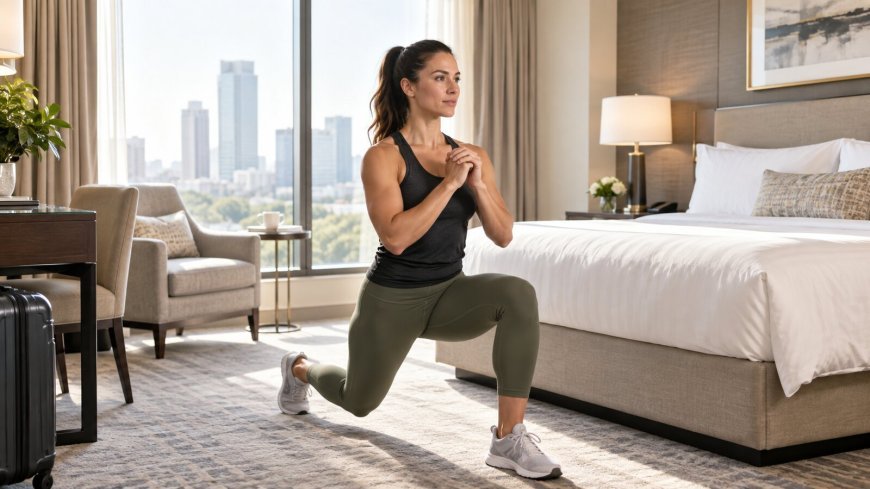
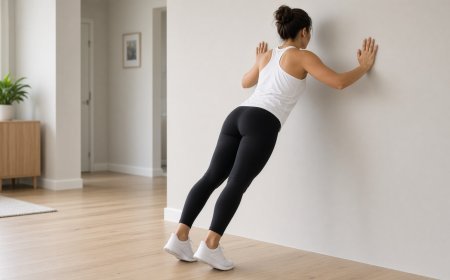
<div style="font-size: 14pt; line-height: 1.7;" data-mce-style="font-size: 14pt; line-height: 1.7;"><p>Travel can disrupt a routine, but movement does not require a gym, equipment, or a full hour. This seven-minute hotel-room session uses controlled exercises and a small patch of floor. Adjust the pace and stop for pain, dizziness, or unusual shortness of breath.</p><p style="font-size: 14pt;"><strong>Before You Begin</strong></p><p>Clear luggage and slippery rugs. Wear stable shoes if needed. Warm up for one minute by marching gently and rolling the shoulders.</p><p style="font-size: 14pt;"><strong>The Seven-Minute Routine</strong></p><p>Work for 40 seconds, then rest and change position for 20 seconds.</p><ol><li><strong>Chair-height squats</strong> toward a stable chair or bed edge.</li><li><strong>Wall push-ups</strong> with the body in one line.</li><li><strong>Reverse lunges</strong> or supported split-stance bends.</li><li><strong>Standing knee lifts</strong>, using a wall if needed.</li><li><strong>Incline plank</strong> on a solid desk that will not move.</li><li><strong>Glute bridges</strong>, or repeat squats if you prefer standing.</li></ol><p>Use the last minute for a slower march and relaxed breathing.</p><p style="font-size: 14pt;"><strong>Make It Gentler or Harder</strong></p><p>Reduce the range, slow down, or rest longer. For more challenge, slow the lowering phase or repeat the circuit later. Avoid jumping when the floor or neighbors make it impractical.</p><p style="font-size: 14pt;"><strong>Consistency Beats Perfection</strong></p><p>Seven minutes is not a complete fitness plan, but it can preserve the habit of moving while traveling. Combined with walking and stairs when practical, it can make the day feel more active.</p></div><p style="font-size: 14pt;" data-mce-style="font-size: 14pt;"><strong>Set up the room first</strong></p><p style="font-size: 14pt;" data-mce-style="font-size: 14pt;">Move luggage, cords, and loose rugs out of the way. Choose a clear space where your arms can extend without hitting furniture. Wear shoes if the floor is slippery and keep the movements quiet enough for the room below.</p><p style="font-size: 14pt;" data-mce-style="font-size: 14pt;"><strong>Use a simple seven-minute circuit</strong></p><p style="font-size: 14pt;" data-mce-style="font-size: 14pt;">Work for forty seconds and transition for twenty seconds. Try bodyweight squats to a chair, wall push-ups, alternating reverse steps, a standing march, glute bridges on a towel, bird-dog movements, and a final easy mobility minute. Move at a pace that lets you maintain control.</p><p style="font-size: 14pt;" data-mce-style="font-size: 14pt;"><strong>Modify without skipping</strong></p><p style="font-size: 14pt;" data-mce-style="font-size: 14pt;">Use the desk or wall for balance. Reduce the range of a squat, replace lunges with step-backs, and keep both feet grounded during marching. A smaller comfortable movement is more useful than forcing a version that feels unstable.</p><p style="font-size: 14pt;" data-mce-style="font-size: 14pt;"><strong>Make it travel-friendly</strong></p><p style="font-size: 14pt;" data-mce-style="font-size: 14pt;">Do the circuit after waking, before showering, or when returning from a long drive. Place workout clothes where you can see them. Seven minutes is easier to begin when it does not require rearranging the whole day.</p><p style="font-size: 14pt;" data-mce-style="font-size: 14pt;"><strong>Focus on circulation after sitting</strong></p><p style="font-size: 14pt;" data-mce-style="font-size: 14pt;">Long flights and meetings can leave the body stiff. Start with ankle circles, shoulder rolls, gentle marching, and slow sit-to-stands. These movements can help you feel less stuck without turning the room into a gym.</p><p style="font-size: 14pt;" data-mce-style="font-size: 14pt;"><strong>Keep intensity appropriate</strong></p><p style="font-size: 14pt;" data-mce-style="font-size: 14pt;">You should be able to breathe steadily and stop with control. Slow down if form becomes rushed. Stop for pain, dizziness, unusual shortness of breath, or anything that feels wrong. Travelers with health or mobility concerns should follow guidance from their own professional.</p><p style="font-size: 14pt;" data-mce-style="font-size: 14pt;"><strong>Repeat only if it fits</strong></p><p style="font-size: 14pt;" data-mce-style="font-size: 14pt;">One round is enough on a busy day. If you want more, rest briefly and repeat, or take a walk later. Consistency across the trip matters more than exhausting yourself on the first morning.</p><p style="font-size: 14pt;" data-mce-style="font-size: 14pt;"><strong>Finish with a reset</strong></p><p style="font-size: 14pt;" data-mce-style="font-size: 14pt;">Take several slow breaths, drink water, and return the room to normal. A short routine should leave you more ready for the day, not create another task to recover from.</p><p style="font-size: 14pt;" data-mce-style="font-size: 14pt;"><strong>Pair movement with an existing cue</strong></p><p style="font-size: 14pt;" data-mce-style="font-size: 14pt;">Attach the routine to something that already happens, such as starting the coffee maker, returning from breakfast, or plugging in your phone at night. A reliable cue removes the need to negotiate with yourself every day.</p><p style="font-size: 14pt;" data-mce-style="font-size: 14pt;"><strong>Use the room without damaging it</strong></p><p style="font-size: 14pt;" data-mce-style="font-size: 14pt;">A wall, sturdy chair, or desk can provide support, but confirm that furniture does not roll or tip. Avoid hanging from doors, jumping near fixtures, or placing sweaty hands on delicate surfaces. The routine should leave no trace for staff.</p><p style="font-size: 14pt;" data-mce-style="font-size: 14pt;"><strong>Include walking when possible</strong></p><p style="font-size: 14pt;" data-mce-style="font-size: 14pt;">The seven-minute circuit can complement ordinary travel movement. Walk a hotel hallway, explore a safe nearby route, take stairs when comfortable, or stretch during airport waits. Small bouts throughout the day can feel more manageable than one long workout.</p><p style="font-size: 14pt;" data-mce-style="font-size: 14pt;"><strong>Bottom line</strong></p><p style="font-size: 14pt;" data-mce-style="font-size: 14pt;">A hotel workout succeeds when it is safe, quiet, simple, and easy to repeat. Clear the floor, use controlled movements, modify freely, and stop before fatigue ruins form. Seven useful minutes are better than an ambitious routine that never begins.</p><p style="font-size: 14pt;" data-mce-style="font-size: 14pt;"><strong>Track consistency without pressure</strong></p><p style="font-size: 14pt;" data-mce-style="font-size: 14pt;">Mark a simple check on your phone each day you move. Do not grade the intensity or compare the routine with a full gym session. The purpose is to protect a familiar habit while the schedule is unusual.</p><p style="font-size: 14pt;" data-mce-style="font-size: 14pt;"><strong>Choose recovery when needed</strong></p><p style="font-size: 14pt;" data-mce-style="font-size: 14pt;">If travel leaves you exhausted, use seven minutes for gentle mobility instead of strength work. Shoulder circles, ankle movements, slow chair squats, easy reaches, and calm breathing still create a useful reset. Resume your normal program gradually after returning home rather than trying to compensate for missed workouts in one day.</p>
What's Your Reaction?
 Like
0
 Dislike
0
 Love
0
 Funny
0
 Angry
0
 Sad
0
 Wow
0