





























When the Whole Household Is Sick: How to Care for Everyone, Including Yourself
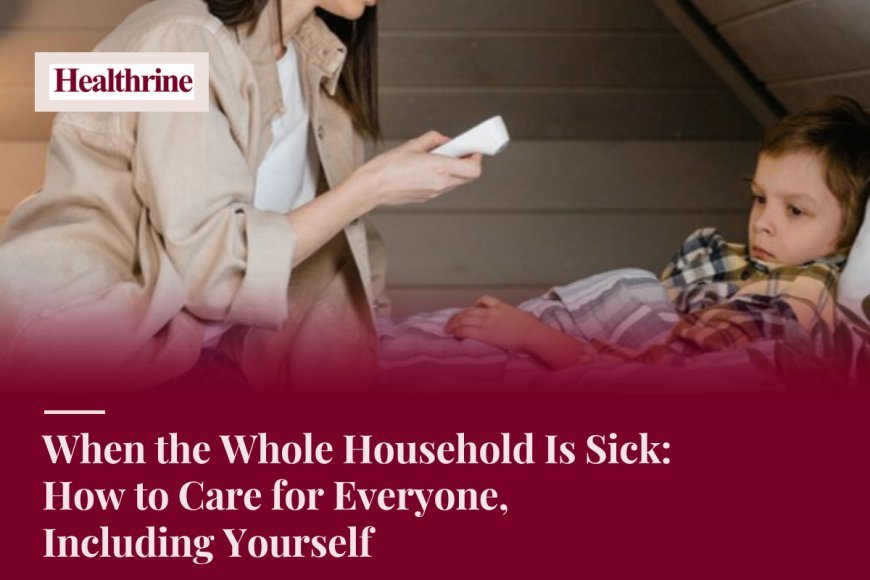
It rarely arrives one person at a time. First a child comes home quieter than usual, then a partner starts coughing in the night, then you wake up with a scratchy throat and a full calendar. When the whole household is under the weather at once, the challenge is less about any single person and more about logistics: who rests where, where the tissues live, how meals happen, and how the least-sick person avoids running themselves into the ground.
This is a guide to that household layer. It covers comfort, rest, food and drink basics, handwashing, and simple cleaning, using public health guidance as its base. It does not offer advice about specific medicines or home mixtures, because those questions belong with a doctor or pharmacist who knows your household. What it can do is make the next few days feel organized instead of improvised.
Set Up Two Simple Stations
Start with a rest station wherever the sickest person will spend most of the day. Gather the basics within reach before they are needed: tissues, a small trash bag or bin for used tissues, water, a phone charger, a thermometer if your household uses one, and a light extra blanket. Keeping supplies in one place cuts down on a tired caregiver wandering the house at midnight looking for things.
Add a supply station in the kitchen or bathroom. Soap, clean towels or paper towels for drying hands, tissues, cleaning supplies, and a laundry basket for used towels and bedding. The CDC advises washing hands after touching a sick person, their tissues, or their laundry, so making that easy matters. Soap at the sink, a towel that gets changed regularly, and a basket that keeps used linens gathered rather than scattered all do quiet work.
If space allows, give sick household members their own cup, and keep toothbrushes from touching each other in a shared holder. Label cups with a piece of tape if your household is large enough for mix-ups. Small labels sound fussy on a healthy day. On day three of broken sleep, they save arguments nobody has energy for.
Hands, Surfaces, and Air: The Boring Basics That Help
Handwashing is the headline habit. The CDC's handwashing guidance is specific: wet hands, lather with soap including the backs of hands, between fingers, and under nails, scrub for at least twenty seconds, rinse, and dry with a clean towel or air dryer. Wash before and after caring for someone who is sick, after blowing your nose or coughing or sneezing, after using the toilet, and before preparing or eating food.
When soap and water are not available, the CDC notes that a hand sanitizer with at least sixty percent alcohol can be used. Keep a bottle where it will actually be reached for, near the supply station rather than buried in a drawer. Remind children with a song, a timer, or whatever your household already uses, and keep the mood instructional rather than alarmed.
For surfaces, the CDC separates cleaning from disinfecting. Cleaning with soap or detergent and water removes most germs and dirt. Disinfecting, using a product as its label directs, can be added when someone is sick, particularly on high-touch surfaces such as doorknobs, light switches, handles, counters, phones, and bathroom fixtures. Clean first, follow the product label including how long the surface should stay wet, never mix products, and keep ventilation in mind while you work.
Fresh air helps the house feel less sealed in. When weather and comfort allow, opening a window for a while or spending time in another room while a sick person's room airs out can make the space feel better. Cover coughs and sneezes with a tissue or an elbow, throw tissues straight in the trash, and wash hands afterward. None of this needs to become a performance. A few basics, repeated, are the plan.
Feed People Simply and Let Rest Lead
Appetites shrink and preferences get specific when people feel unwell. Keep food plain, warm, and easy: soup, toast, rice, oatmeal, eggs, fruit, or whatever your household reliably accepts. Offer water regularly in small amounts rather than making a large glass feel like an assignment. Warm drinks, cold drinks, and ice can all have a place depending on what each person finds comfortable.
Ask each sick person, once they are settled, what sounds manageable, and write the answers down if your brain is foggy. Caregivers forget things when they are tired, too. A short note on the fridge with who ate, who drank, and who is resting where can head off both missed meals and well-meaning double portions delivered ten minutes apart.
Questions about medicine, including what to take, how much, or what suits a child, a pregnancy, or an existing condition, go to a doctor or pharmacist. Read labels carefully, follow the directions given to you, and do not share prescription medicine between household members. If you are unsure whether something can be combined with medicine someone already takes, ask before, not after. That phone call is part of good household care, not an overreaction.
Keep entertainment gentle and expectations lower than usual. A shared show, an audiobook, coloring, or a puzzle suits a room where energy rises and falls. Schoolwork, chores, and ambitious projects can wait or shrink. Rest is not a reward for finishing tasks while sick. It is the main activity, and the household schedule should say so.
Look After the Caregiver, Who Is Also a Person
In many households one adult becomes the default nurse, cook, launderer, and night shift. If that is you, build your own rest into the plan early. Nap when a sick child naps if you can. Sit down with your own drink before refilling everyone else's. Wash your hands after care tasks, and change out of clothes that have had a rough shift before climbing into bed.
Accept imperfect help. A neighbor dropping soup on the porch, a grandparent reading to a child over a video call, or a friend collecting groceries can lower the temperature of the whole day. Tell people what would help in specific terms. Most people are glad to be given a job that fits in a single trip.
Share duties where more than one adult is well enough, and be honest about trading the night shift rather than quietly accumulating exhaustion. A caregiver running on empty makes mistakes with labels, forgets their own meals, and eventually joins the sick list, at which point the household loses its organizer. Your rest is infrastructure, not a luxury.
Know the point at which home care stops being the right level. If someone seems to be getting worse instead of slowly better, has trouble breathing, cannot keep fluids down, seems unusually hard to wake, or if you are caring for an infant, an older adult, or someone whose doctor has told them to check in early when ill, contact a doctor or urgent care service for guidance. Trust that instinct. Asking promptly is part of caring for the household, not a failure of it.
Most household-wide sick spells are a marathon of small kindnesses: soup that arrives warm, hands washed without being reminded, a trash bag tied before it overflows, a caregiver who also gets to lie down. Set up the two stations, repeat the boring basics, feed people simply, and let rest run the house for a few days. The laundry will outlast the illness. So, with a little protection, will you.
What's Your Reaction?
 Like
0
 Dislike
0
 Love
0
 Funny
0
 Angry
0
 Sad
0
 Wow
0