




























Night Sweats and Restless Sleep in Midlife: Bedroom Changes That Help You Stay Comfortable
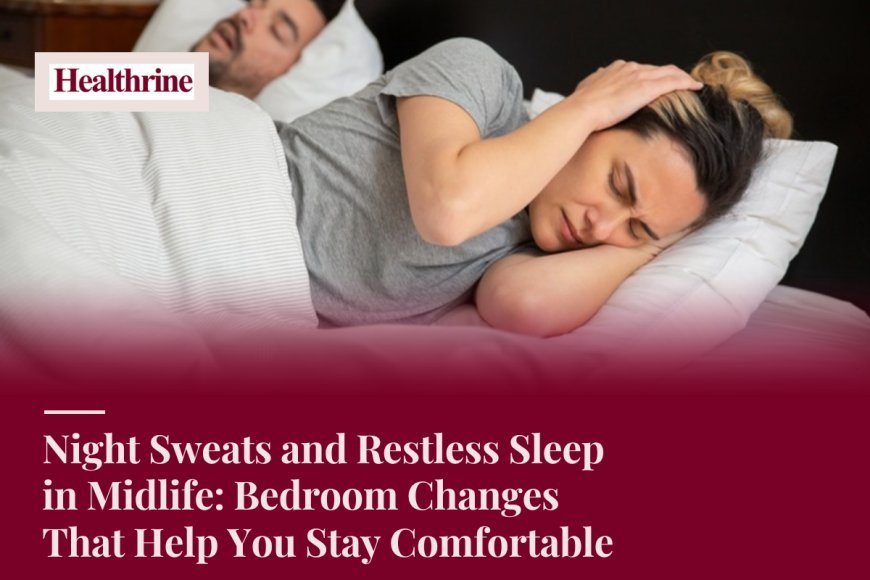
Waking hot, kicking off the covers, then waking again feeling chilly is a miserable way to spend a night, and in midlife many women tell friends they are suddenly negotiating with their own bedding at three in the morning. This article does not explore why that happens or offer any kind of care for it. It is simply about the bedroom itself: fabrics, temperature, layers, and a wind-down that makes the room easier to sleep in.
Think of it as setting up a bed that gives you options. When you feel too warm, you want relief available without fully waking, turning on bright lights, or remaking the bed. When you cool down again, you want warmth within arm's reach. Most of the changes below cost nothing or very little, and none of them requires buying a special product with your name in lights.
If broken nights persist, or if anything about your sleep or health is worrying you, mention it to your usual provider at your next visit and ask what, if anything, is worth looking into for you personally. That conversation belongs with someone who knows your history. What follows is comfort only, offered in that spirit.
Build a bed you can adjust half-asleep
The single most useful change is to swap one heavy covering for layers you can add or shed without thinking. A flat sheet, a light blanket, and a second light blanket or thin quilt folded at the foot of the bed give you three or four combinations. One thick cover gives you two states, too hot and too cold, and a lot of wrestling in between.
Sheets matter because they sit against your skin. Many people who wake feeling hot prefer smooth, breathable everyday fabrics such as cotton or linen over brushed, fleecy sheets that hold warmth. You do not need a specialty product. If you own two kinds of sheet, try the cooler-feeling set for a week and notice whether you reach for extra covers less often. Launder bedding regularly, since washed fabric generally feels fresher and less clammy.
Pillows deserve a look too. A pillow that has gone flat holds your head at an awkward angle and can feel warmer than a supportive one. If yours has folded in half and stayed there, it has retired. Some people like a second pillow to hug or to put between their knees, which keeps the top one drier if they turn over to a cool side in the night, a small trick many lifelong restless sleepers swear by.
Keep a spare pillowcase in the nightstand drawer. Changing just the case takes seconds, needs almost no light, and gives you a cool, dry surface without disturbing a partner or remaking anything. A spare light top to sleep in, kept in the same drawer, serves the same purpose on the nights you wake feeling damp and uncomfortable and want a fresh layer without a full expedition.
Keep the room on the cooler side
Guidance from the CDC describes a good sleep environment as quiet, dark, relaxing, and kept at a cool temperature, and its workplace sleep guidance suggests roughly sixty-five to sixty-eight degrees for most people, with covers used to stay comfortable. Use those figures as a starting range to experiment within, not a rule. Homes, seasons, and personal preference vary, and the right setting is the one where you feel comfortably cool rather than cold.
Work with what your home gives you. A window opened a crack, where it is safe and quiet enough to do so, a door left ajar for air movement, or a fan set to move air gently rather than blast it at the bed can all lower the feel of a stuffy room. In warmer months, closing curtains against afternoon sun keeps heat from building up in the first place, so the room starts the night cooler.
Light and sound belong in this picture too, because waking fully makes returning to sleep harder. The CDC sleep guidance suggests keeping the bedroom dark and turning off electronic devices at least thirty minutes before bedtime. Blackout liners, a door draft stopper that also blocks hall light, and a phone charging outside the room or face-down and silenced all reduce the small wake-ups that fragment a night.
If you share the room, negotiate kindly and concretely. Different people run at different temperatures, and midlife can widen that gap. Separate light blankets under one shared top sheet, or two single covers on a double bed in the style common in parts of Europe, let each person regulate their own warmth without a nightly tug of war. It looks unusual for about a day and then simply looks like your bed.
Choose sleepwear you can forget about
What you wear to bed is part of the layering system. Loose, breathable everyday fabrics with a little room at the neck, waist, and legs allow air to move and make it easier to cool down. Tight waistbands, scratchy seams, and heavy fleeces work against you. Again, start with what you own: many people already have a soft cotton top that outperforms a dedicated winter pajama set for this purpose.
Consider sleeping in two stages on difficult nights. Begin in your lightest comfortable sleepwear with one light layer over you, and keep the folded blanket at the foot of the bed for later. The aim is to avoid the classic pattern of falling asleep under plenty of covers in a cool room, then overheating once the bed has warmed up, then waking chilled after pushing everything off. Starting lighter often means fewer big swings.
Socks deserve a mention because they divide opinion. Some people fall asleep faster with warm feet and keep a light pair of bed socks handy to put on, then kick off later. Others feel trapped in them. There is no correct answer here, only your own comfort, and it may change across a single night. Keep the pair in the drawer with the spare pillowcase and decide at the time.
Wind down so the room can do its job
The last hour before bed sets the temperature for the whole night in more ways than one. A hot bath or shower right before bed leaves many people feeling warm for a long while afterward. If that sounds familiar, move bathing earlier in the evening and finish with comfortably warm rather than hot water, then let yourself cool in a light robe. Comfort is personal, so experiment rather than obeying a fixed ritual.
Gentle, ordinary wind-down activities suit this hour: laying out clothes for tomorrow, a few pages of an undemanding book, slow tidying of the kitchen, a short stretch on the rug, or a mug of something warm and caffeine-free if that is part of your evening pleasure. The CDC sleep guidance also notes avoiding caffeine in the afternoon or evening and large meals and alcohol before bedtime, which fits the same pattern of keeping the last stretch of the day calm and predictable.
Make the routine the same most nights, in the same rough order. Predictability is soporific. When your body learns that a particular sequence means sleep is coming, you often begin to feel drowsy during it, which is exactly what you want. It does not need to be long or elaborate. Twenty unhurried minutes, repeated, beat an occasional grand performance of candles and playlists that collapses by Wednesday.
Finally, give changes a fair trial. Try one adjustment at a time for most of a week: layers instead of a single heavy cover, or the room a degree or two cooler, or the spare pillowcase trick. Notice simply whether you wake less hot, return to sleep more easily, or feel more rested in the morning, in your own words. Comfort is the measure here. A bed that lets you adjust without thinking, in a cool and quiet room, will not solve every restless night, but it gives every night a better starting point.
What's Your Reaction?
 Like
0
 Dislike
0
 Love
0
 Funny
0
 Angry
0
 Sad
0
 Wow
0