

























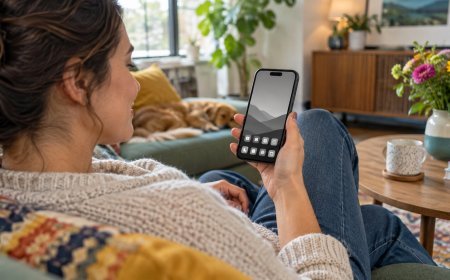

The After-2-PM Caffeine Check: What You May Notice About Your Evening
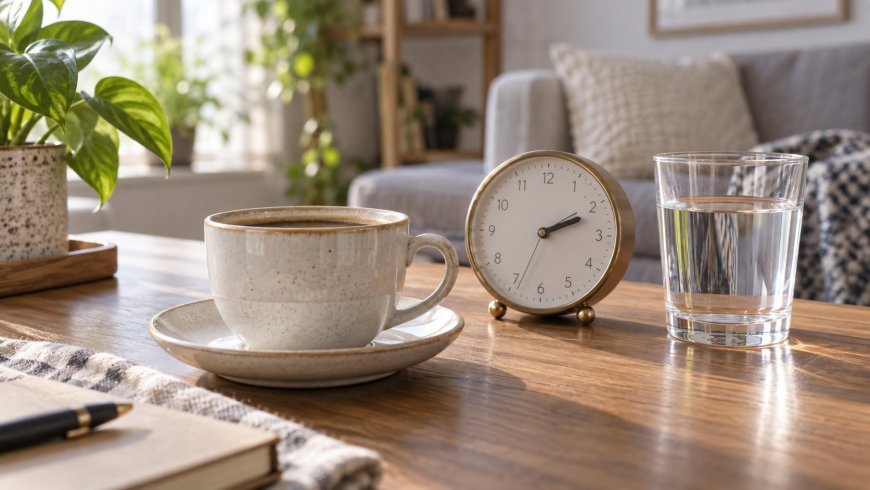
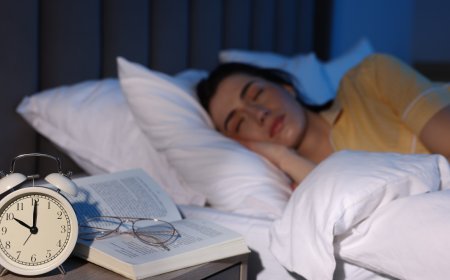
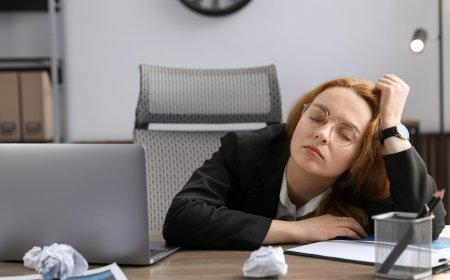
Afternoon caffeine can feel like a kindness. The 2 p.m. fog arrives, a coffee or energy drink answers, and the rest of the workday becomes more doable. Then evening arrives with a different question: why does winding down feel oddly alert, why does the mind keep offering one more task, why does rest mode never quite catch? The after-2-p.m. caffeine check is a lifestyle experiment about evening rhythm, not a medical lecture.
This Wellness piece asks what you may notice about your evening when you move later caffeine earlier, swap it, or simply pay attention for a week. It is not sleep-medicine advice, not a ban on coffee, and not a diagnosis of insomnia. It is a curious look at how a common afternoon habit can color the hours you hoped would soften.
What the After-2-PM Check Is
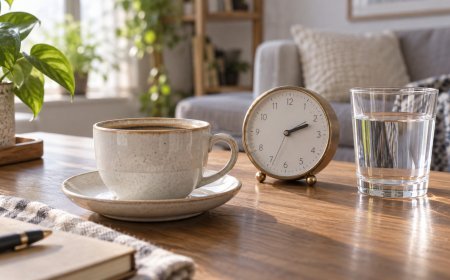
The check is simple. For several ordinary days, notice what you drink after 2 p.m. and how your evening feels: ease of downshifting, desire for more scrolling, bedtime negotiation, next-morning fog, or a sense that the day never fully ended. Then, if you want, try shifting later caffeine earlier, choosing a smaller amount, or swapping one afternoon cup for water, herbal tea, or a short walk.
You are gathering personal pattern notes, not running a clinic. Some people feel little difference. Others notice that evenings become quieter when the last caffeinated drink moves earlier. Both outcomes are useful information.
What This Is Not
This is not medical sleep advice, not a claim that caffeine is bad, and not a prescription for quitting coffee. People differ widely in timing, amount, and sensitivity. Medications, pregnancy, shift work, and health conditions can change what is wise for you, and those questions belong with a clinician when needed. Healthrine stays in lifestyle rhythm: how an afternoon cup may shape the feel of the evening you are trying to inhabit.
If evenings already feel hard for reasons that go beyond a latte, treat this as one small lever among others, not as the whole story.
Why Afternoons Become Caffeine Hours
Afternoons are when meetings stack, blood sugar stories from lunch play out, outdoor light fades in some seasons, and attention frays. Caffeine is a familiar tool for pushing through. The tool works for the task in front of you. The open question is the cost later, when you want the house and your mind to downshift.
Many people do not connect the 3 p.m. drink with the 10 p.m. restlessness because hours sit between them. The check simply shortens that gap in awareness. You watch the evening with the afternoon choice still in view.
- Note the time of your last caffeinated drink for a few days
- Note how easy or hard evening wind-down feels
- Note whether you reach for more stimulation after dinner
- Note next-morning energy in ordinary language, not as a score
- Keep other variables roughly steady so the pattern is clearer
Run a Gentle One-Week Observation
Week one can be notice-only. Do not change anything yet if that feels kinder. Write a line each night: last caffeine time, evening mood in a few words, bedtime feel. After several days, look for repetition. Patterns beat one dramatic night of bad sleep that had ten other causes.
If you already suspect later caffeine is loud in your evenings, try an earlier cutoff for the next week: last cup by early afternoon, or a smaller size. Replace the ritual if the ritual matters. Many people miss the pause more than the stimulant. A warm non-caffeinated drink, a short walk, or a snack can keep the pause.
Protect the Afternoon Without Relying Only on a Cup
Sometimes the 2 p.m. reach for caffeine is a stand-in for other needs: food, water, movement, daylight, or a break from screens. Before you treat every dip as a caffeine emergency, check the basics. A protein-forward snack, a glass of water, two minutes outside, or a stretch break may change the afternoon enough that the third coffee becomes optional.
This is not anti-coffee morality. It is matching tools to needs. If you are hungry, eat. If you are stiff, move. If you still want coffee earlier in the day, enjoy it on purpose.
- Pick a notice week or a gentle shift week
- Decide an earlier last-caffeine time that still feels realistic
- Choose a replacement afternoon pause you will actually do
- Keep evenings otherwise ordinary so you can feel the difference
- Review notes after several days and adjust without drama
What You May Notice in the Evening
People who shift later caffeine earlier sometimes report evenings that feel less buzzy, an easier time putting down the phone, less second-wind at 10 p.m., or a softer landing into bedtime routines. Others notice little change and learn their evenings are shaped more by screens, stress, or schedule. That learning still counts.
You may also notice social and cultural patterns. Late meetings with coffee, study sessions, driving shifts, and hospitality norms all place caffeine later for good reasons. Adapt the check to your real life. A nurse on nights and a desk worker on days will not share the same clock. Use your wake-sleep rhythm as the frame, not a universal 2 p.m. rule carved in stone.
Hidden Caffeine and Evening Math
Tea, sodas, chocolate, pre-workout drinks, and some sodas at dinner can add to the afternoon total without feeling like coffee. The check includes them if evenings are the question you care about. Again, this is awareness for rhythm, not purity.
If you love a small evening treat that includes a little caffeine, you can still keep it and simply notice. Lifestyle experiments allow favorites. The goal is information that helps you design evenings you like, not a streak of restriction.
Pair the Check With Evening Softness
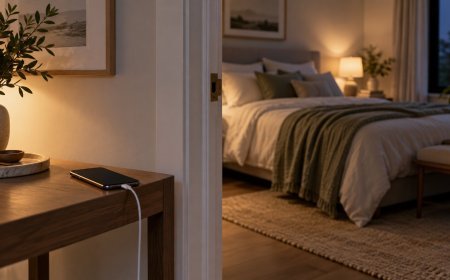
Caffeine timing is one lever. Lighting, a warm shower, phone parking, and a predictable wind-down are others. If you change only caffeine and leave the house blazing bright with a phone in bed, you may under-read the experiment. Pair the check with one other gentle evening cue for a fairer sense of your rhythm.
Seasonal self-care fits here too. Darker months invite earlier evening cues. An earlier last coffee can sit beside softer lamps and earlier dinners as part of the same story: helping the day complete.
When Not to Turn This Into a Project
If caffeine is already low, or if your evenings feel fine, you do not need a campaign. If a clinician has given you specific guidance, follow that. If life is in crisis mode, choose survival tools without adding a self-improvement subplot. The after-2-p.m. check is for curious ordinary weeks.
Also skip shame. A late coffee during a brutal deadline week is a human choice. Resume noticing when the week softens. Continuity beats perfection.
Bottom Line
The after-2-p.m. caffeine check is a lifestyle look at how later caffeine may shape your evening rhythm. Notice timing, evening ease, and optional earlier cutoffs or swaps. It is not medical sleep advice and not a coffee ban. It is a practical way to see whether your afternoon cup is still echoing when you want the day to quiet down.
This week, write down the time of your last caffeinated drink and one line about how the evening felt. Let the pattern teach you before you make a bigger rule.
What's Your Reaction?
 Like
0
Like
0
 Dislike
0
Dislike
0
 Love
0
Love
0
 Funny
0
Funny
0
 Angry
0
Angry
0
 Sad
0
Sad
0
 Wow
0
Wow
0