
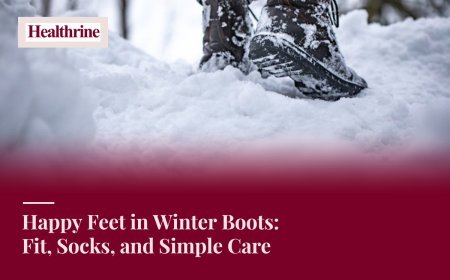























Happy Feet in Winter Boots: Fit, Socks, and Simple Care
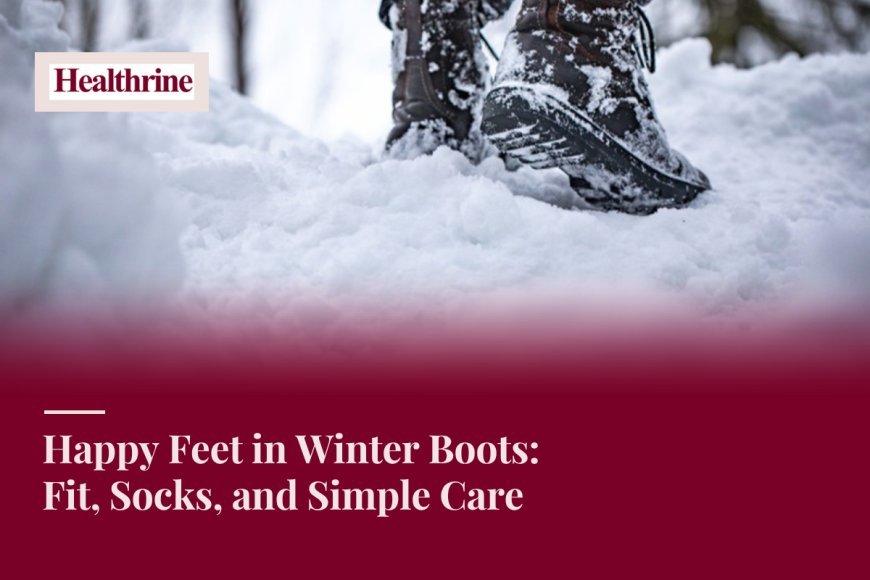
Winter boots ask a lot of your feet. They are heavier than your usual shoes, stiffer around the ankle, and worn on the coldest, wettest days, often for longer than planned because the errand list grew or the walk home took the scenic route. When feet complain in winter, the cause is frequently not the weather itself. It is a small mismatch between boot, sock, and foot that repeated itself all day.
The fix is rarely dramatic. A thumb's width of space, a sock that moves moisture instead of holding it, and five minutes of care when you come home can make the same boots feel like a different pair. Start with fit, because no clever sock can rescue a boot that squeezes.
Fit the Boot to the Foot You Actually Have
Shop or test boots later in the day, when feet are at their everyday largest, and wear the socks you plan to use in them. The American Podiatric Medical Association's winter foot care guidance emphasizes boots that are waterproof and insulated without being so tight that they restrict circulation, with room for proper socks. Tight boots can make feet feel colder, not warmer, because squeezed feet have less room for warm air and easy movement.
Stand up and walk around. Your toes should be able to wiggle, your heel should stay mostly settled rather than lifting and dropping with every step, and nothing should pinch across the widest part of your foot. A little heel movement in a stiff new boot is common, but repeated rubbing at the back of the heel is a warning worth listening to on day one, not week three.
Check length with your full weight on the foot. Many adults discover, sometimes decades late, that one foot is larger than the other. Fit the larger foot and use an insole or thicker sock to fine-tune the smaller side if needed. If you wear insoles or supports in your everyday shoes, bring them along. A boot that feels perfect without them may feel crowded the moment they go in.
Break new boots in around the house and on short walks before committing them to a long day. Stiff materials soften, and pressure points announce themselves while you are still near home and able to change shoes. That short rehearsal is the cheapest comfort you will ever buy.
Socks Are Equipment, Not an Afterthought
Choose socks made from wool or synthetic fibers that move moisture away from skin, and skip cotton for long cold outings. Cotton holds dampness, and damp feet feel cold quickly and rub more easily. Guidance from podiatry and outdoor sources makes the same point from different directions: warm and dry beats merely thick.
Thickness should match the boot. A very thick sock crammed into a close-fitting boot can squeeze the foot and reduce the insulating space around it. If your boots were fitted with a midweight sock, wear a midweight sock. Carry a spare pair on long days, in the car, or in your bag. Changing out of damp socks halfway through a day can rescue an afternoon.
A thin liner sock under a warmer outer sock helps some people, especially if heels tend to rub. The liner moves with the skin while the outer sock moves with the boot, so friction happens between layers instead of on you. If you try liners, test them on a short walk first. Extra layers change the fit, and what helps one person simply crowds another.
At home, let feet breathe. After a day in boots, change into clean dry socks or go barefoot indoors for a while. Moist skin folded inside socks and boots all day, every day, appreciates the air. It is a small habit with an outsized effect on how comfortable tomorrow's first steps feel.
Five Quiet Minutes When You Come Home
Take boots off, loosen them fully, and let them dry between wears. Pull insoles out if they feel damp, stand boots in a ventilated spot, and keep them away from direct heat sources that can dry out and crack materials. Alternating between two pairs, if you have them, gives each pair a full day to dry and often makes both last longer.
Wash feet with warm water and mild soap, dry them well, especially between the toes, and apply moisturizer to dry areas if your skin tends to crack in winter. The American Podiatric Medical Association includes regular foot hygiene and moisture care in its winter guidance. Keep toenails trimmed straight across and not overly short, since boots press on toes more than summer shoes do.
Look at your feet while you are there. A red spot that appears in the same place after every long walk is information about fit. A small piece of tape, a cushioned pad, or a different sock tested on the next short outing can address a hot spot early. Catching friction at the red-spot stage is far easier than nursing sore skin later.
Pay attention to numbness, persistent tingling, unusual color changes, or feet that stay cold long after you come indoors. The CDC advises getting out of the cold and warming up when warning signs appear, and seeking care for serious cold-related concerns. People who know their feet are less sensitive, or who have been told to take special care of their feet, should follow the guidance their own doctor has given them and check in sooner rather than later.
Feet carry the whole of winter: the school run, the dog walk, the snowy commute, the long Saturday wander. Give them boots with room to work, socks that keep them dry, and a few minutes of attention at the front door. Happy feet in winter are rarely an accident. They are what happens when fit, fabric, and a small daily reset all pull in the same direction.
Think about traction as part of foot comfort, not a separate topic. A sole with worn-smooth tread makes you walk tensely on icy ground, gripping with your toes and shortening your stride, and that tension alone can leave feet and ankles tired by the end of a short trip. Before the season starts, turn your boots over. If the tread looks polished or the heel is worn unevenly, a shoe repair shop may be able to help, or it may be time to replace the pair. Walking in winter should let your feet relax into each step rather than brace through it.
The Same Check for Small Feet
Children's boots deserve the same quick audit, since feet grow and hand-me-downs do not always match the next child's larger foot or thicker socks. Ask whether toes can wiggle, check that the heel is not slipping with every step, and send a spare pair of socks in the school bag on wet days. A child who comes home with dry, comfortable feet is far more likely to remember the snow as the good part of the day.
Finally, match the boot to the day you are actually having. The warmest, heaviest pair is not always the kindest choice for a mild day of indoor errands with short dashes to the car, where feet can overheat and end up damp from the inside. A lighter waterproof pair may serve better then, saving the deep-winter boots for deep-winter days. Owning the choice, morning by morning, is part of simple foot care too. Comfort is not one perfect boot. It is the right boot, sock, and drying routine for the weather waiting outside your door.
What's Your Reaction?
 Like
0
 Dislike
0
 Love
0
 Funny
0
 Angry
0
 Sad
0
 Wow
0