


























Cold-Weather Walking: How to Layer Up and Stay Comfortable Outside
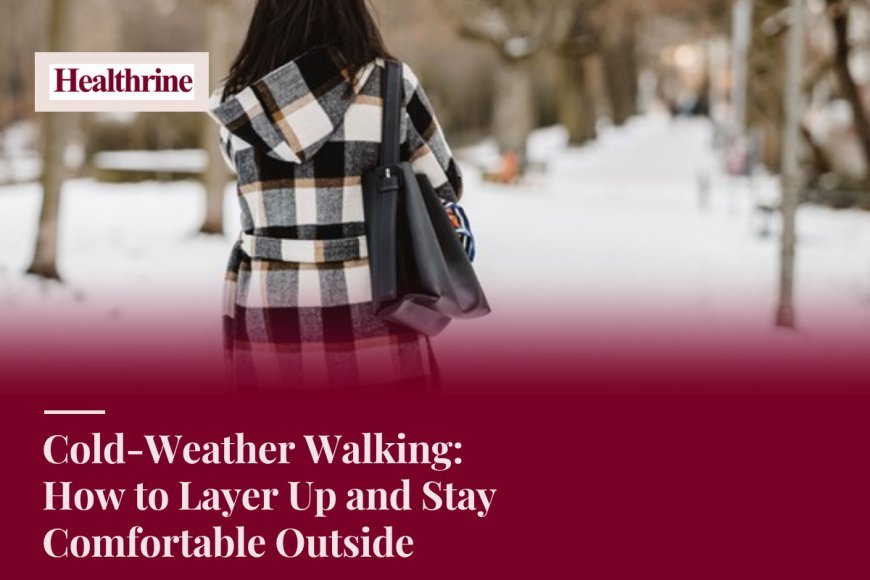
A winter walk can be the best part of a cold day: bright cheeks, quiet streets, air that wakes you up better than another coffee. It can also be the part where your fingers go numb by the second corner, your shoulders creep up against the wind, and you cut the route short wondering why other people make this look easy. Usually the difference is not toughness. It is layers, chosen in the right order.
Dressing for cold-weather walking is a small system. Each layer has a job, none of them is to make you sweat, and the whole set should adjust as your body warms up. Get the system right once and you can reuse it all season, changing only the thickness.
The Three Jobs: Dry, Warm, and Sheltered
Think in three layers. Next to your skin, wear a base layer that moves moisture away from you. Wool and synthetic fabrics do this job well. Cotton feels fine indoors and turns cold and clammy once it gets damp, even from ordinary walking effort. If you have ever felt colder at the end of a walk than at the start, a damp cotton layer is a frequent culprit.
The middle layer holds warmth. Fleece, a padded jacket, or a wool sweater traps air close to your body, and that trapped air is what insulates you. One adaptable middle layer beats a single enormous coat for walking, because you can open it, remove it, or swap its thickness as the day changes. On milder winter days the middle layer may be all you need over the base. On bitter days it teams up with the outer layer.
The outer layer shelters the other two from wind and wet. A wind-resistant jacket with some water resistance protects the warmth you have built, because wind strips heat away and rain or wet snow soaks insulation. The CDC's winter weather guidance recommends several layers of loose clothing plus a water-resistant outer layer, hat, and protection for hands and feet. That official advice and the three-job system are saying the same thing in different words.
Dress for Minute Ten, Not Minute One
The classic winter walking mistake is dressing to feel perfectly warm standing at the front door. Ten minutes later, your body is producing heat, the heavy coat is a sauna, and sweat starts dampening the layers that were supposed to keep you warm. Aim instead to feel slightly cool in the first few minutes. If you are comfortable immediately, you are probably overdressed for the walk itself.
Build in adjustments. A zip you can open at the first hill, gloves you can pocket when your hands warm up, a hat that can come off and go back on at a windy corner. Walking in winter is a series of small climates: sun and shadow, sheltered streets and open bridges. Clothing you can tune without stopping the walk entirely will get tuned. Clothing that requires a full production will not.
Keep extremities simple and covered. Heat escapes from whatever is bare, and fingers, ears, and your neck will complain first. Mittens are often warmer than gloves because fingers share warmth, while gloves give you dexterity. Choose based on whether you need your fingers for keys, a leash, or a phone. A scarf or neck gaiter that can cover your chin on the windy stretch earns its place quickly.
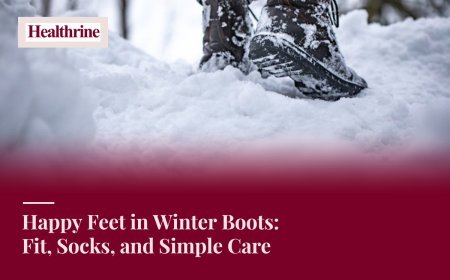
Feet follow the same rules as the rest of you. Warm socks in wool or synthetic blends, shoes or boots with tread you trust, and room for toes to move. Healthrine's boot guide covers fit in detail, so here it is enough to say that squeezed toes in thin socks will end a walk early no matter how good your coat is. If your route includes icy patches, slow down and shorten your stride rather than relying on courage.
Read the Day Before You Read the Thermometer
Temperature alone is a poor guide. Wind makes the same number feel much colder, bright sun makes it feel kinder, and a walk that climbs hills will warm you faster than a flat stroll. Check the wind and the forecast for precipitation, then choose your middle layer's thickness and decide whether the outer layer needs to handle wet snow or only breeze.
Plan the route with warmth in mind. A loop with a sheltered return leg beats an out-and-back that saves the exposed waterfront for when you are tired. Know where you could step indoors briefly if the weather turns or you feel genuinely unwell. On very cold days, a shorter loop done twice close to home gives you a natural exit after the first lap, which makes it easier to start at all.
The CDC advises covering exposed skin in extreme cold and being alert to warning signs that mean it is time to get inside and warm up, including numbness or skin that looks unusually pale. Shivering that will not settle, clumsiness, confusion, or unusual drowsiness are stronger signals to stop, get warm, and seek help if needed. A walk is exercise, not an endurance test against the forecast. Turning back early on a hard day is the system working, not failing.
Carry the small things that keep a walk pleasant: water, since cold air and indoor heating both leave people drier than they realize, a charged phone, and a route someone at home roughly knows if you are walking alone in quiet areas. In the darker months, something bright or reflective helps drivers see you on the return leg, when the light goes faster than you expected.
Make It a Routine You Can Repeat Tomorrow
Put your walking layers in one place so getting dressed takes two minutes rather than a search. When the base layer, warm layer, hat, and mittens live together, the decision happens once, at the basket, instead of five times around the house. That small bit of organization is what turns a good walk into a winter habit.
Start with routes and durations you know you can enjoy in the clothing you own. A comfortable twenty minutes daily builds more winter fitness and more affection for the season than one ambitious weekend expedition that leaves you chilled and reluctant. Add distance as your layering gets smarter. You will notice the real milestone quietly: the morning you stop checking the temperature with dread, pull on the three layers in order, and step out knowing the walk will feel good by minute ten and even better by the time you turn for home.
Test your system on a short outing before trusting it on a long one. A fifteen-minute loop near home will tell you whether the base layer feels right, whether the middle layer is too warm, and whether your hat stays put when the wind finds the corner. Adjust one piece at a time and notice what changed. That kind of small experiment is how experienced winter walkers end up looking effortlessly comfortable. They were not born knowing their layers. They ran short trials, remembered the results, and gradually built a default outfit for mild cold, real cold, and the windy days in between.
If you walk a dog, dress for the dog's pace as well as your own. Slow sniffing stops cool you down, while the enthusiastic stretches warm you up again, so an openable zip and a hat you can pocket are worth even more. Keep the route flexible on bitter mornings and let a shorter, pleasant walk count in full. The goal across a winter is not to win every cold day. It is to step outside often enough that the season becomes familiar territory, layers humming along quietly while you enjoy the bright cheeks and clear head that brought you out in the first place.
What's Your Reaction?
 Like
0
 Dislike
0
 Love
0
 Funny
0
 Angry
0
 Sad
0
 Wow
0