













Exercise Snacks Explained: Small Bursts of Movement Throughout the Day
Some days the calendar laughs at the idea of a workout. Meetings stack. Errands multiply. Energy arrives in uneven weather. That is exactly when many people decide movement will have to wait for a cleaner week. Exercise snacks offer a kinder option: small bursts of movement scattered through the day you already have, not the day you wish you had.
This piece explains exercise snacks as a lifestyle fitness habit. It is not a training plan, not a clinic, and not a challenge that shames you for skipping the gym. It is a practical way to break up long sitting stretches and keep a movement identity alive when time arrives in crumbs instead of blocks.
What an Exercise Snack Actually Is
An exercise snack is a short bout of intentional movement, often one to five minutes, sometimes up to ten, done without changing into gym clothes or traveling anywhere special. Stairs between calls. A hallway lap. A set of sit-to-stands while the kettle boils. Wall push-ups before you open email. The snack is small on purpose so it can fit inside the seams of ordinary life.
The name matters because it reframes movement as available. A snack is not a feast. It does not need ceremony. It still nourishes the day. You can collect several snacks without pretending each one is a full workout. Together they change how sedentary a day feels.
Why Small Bursts Help Busy Days
Long unbroken sitting is a common modern default. Bodies get stiff. Attention gets foggy. Afternoon energy dips even when lunch was fine. Brief movement breaks interrupt that default. Blood moves. Joints change position. Your brain gets a seam between tasks that is not another scroll.
Snacks also protect identity. If your only definition of exercise is a forty-five-minute session, missed sessions feel like total failure. If your definition includes honest mini-bouts, you still practiced being someone who moves. That identity makes fuller sessions easier to return to later. Snacks are not a demotion. They are a bridge.
A Menu of Snacks You Can Steal
Keep a short personal menu so you never have to invent movement while tired. Rotate what feels good. Stop anything that feels sharp.
- Climb one or two flights of stairs, then walk back down calmly
- Ten to fifteen sit-to-stands from a sturdy chair
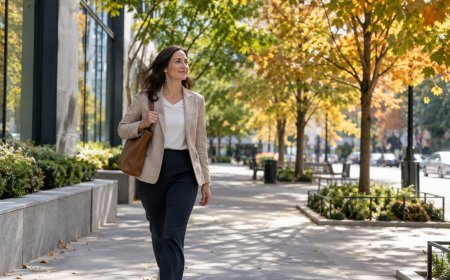
- A brisk hallway or parking-lot loop for three minutes
- Wall push-ups or counter push-ups for one honest set
- March in place with high knees for sixty to ninety seconds
- A suitcase carry with grocery bags from car to kitchen, done with attention
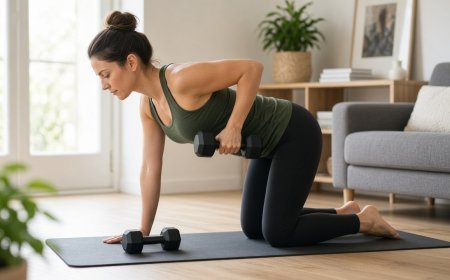
- Hip hinges with bodyweight or a light backpack for eight slow reps
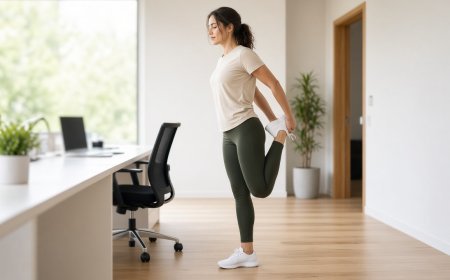
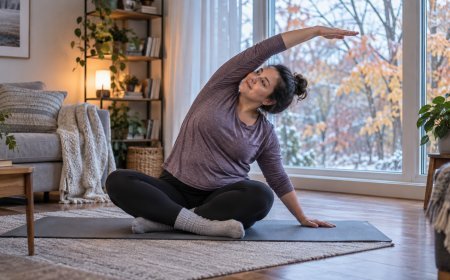
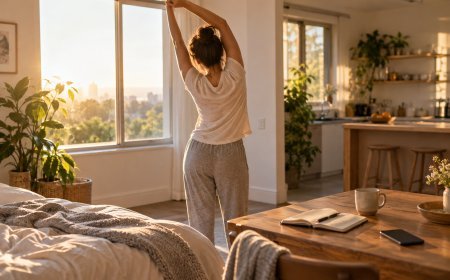
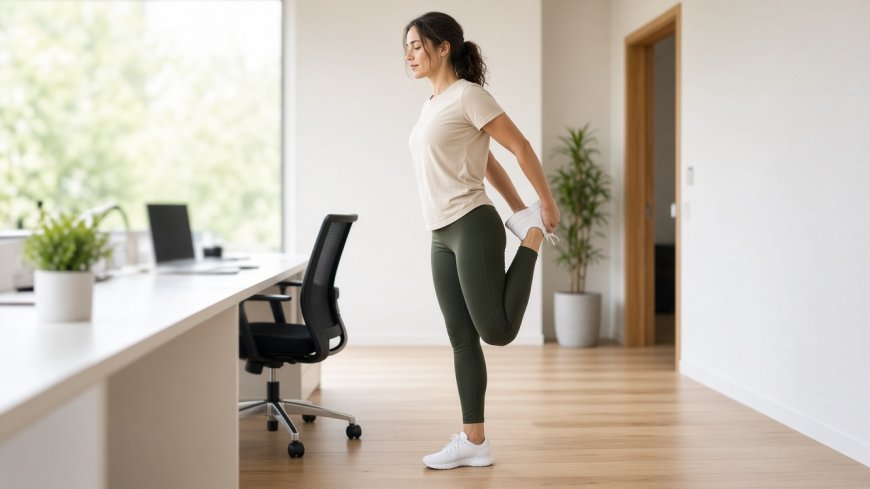
- Shoulder rolls, thoracic opens, and a long standing stretch after a long sit
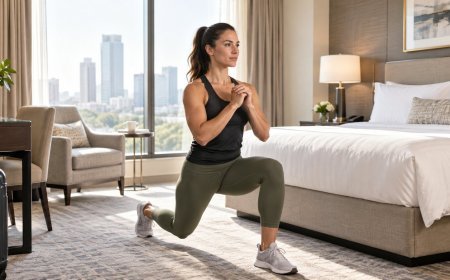
Choose snacks that match the clothes and location you are already in. Formal shoes change what is realistic. Soft clothes open more options. The best snack is the one you will actually start.
How to Place Snacks Without Turning Life Into a Timer Cult
You do not need an app buzzing every twenty minutes unless that truly helps you. Many people do better with natural anchors.
- After each meeting that ran longer than thirty minutes
- When you refill water or make tea
- At the midpoint of a long writing or admin block
- While dinner heats or laundry runs
- During TV credits or podcast intro music
Two to six snacks across a desk-heavy day is a strong lifestyle target. More is fine if it feels playful. Less is fine on loud days. Count kindness, not perfection. If tracking helps, use tallies on a sticky note. If tracking feels like homework, skip it and rely on anchors.
Snacks Versus Full Workouts: Both Can Belong
Exercise snacks are not a demand that you abandon longer sessions you enjoy. A Saturday hike, a twice-weekly strength practice, a dance class: keep what you love. Snacks shine on the days between, and on the weeks when the bigger plans slip. Think of them as the everyday layer under the occasional bigger layer.
Confusion starts when people expect snacks alone to replace every other form of movement forever. They are excellent at breaking up sitting and maintaining momentum. They may not satisfy every strength or endurance goal by themselves. Use them for the job they do well, and keep other habits for the jobs they do well.
Work, Home, and Public-Space Versions
At work, choose snacks that look like normal human behavior: stairs, a walking loop, standing stretch near a window. Skip anything that turns the open office into a spectacle unless your culture welcomes it. At home, you can be freer: push-ups, marches, short mobility flows. In public spaces, walking snacks and stair snacks usually fit best.
Remote workers often need snacks most because the commute disappeared and the chair became the whole geography. Put a sticky note on the monitor: stand, walk, water. Corny works. The goal is interrupting autopilot, not impressing anyone.
Making Snacks Feel Like Care, Not Interruption
Mindset shapes whether you will continue. If every snack feels like proof you are behind on a real workout, resentment grows. If every snack feels like a small favor to your future afternoon self, continuity gets easier. Pair snacks with something pleasant when you can: a favorite song for ninety seconds, sunlight at the window, a glass of water that was overdue anyway.
Intensity can stay conversational. You should be able to return to work without needing a shower for most snacks. Save higher efforts for moments and places that support them. Lifestyle fitness includes social comfort and practicality, not only heart-rate theater.
A Gentle One-Week Experiment
For seven days, aim for three movement snacks on each workday. Keep weekends optional. Use the same two or three snack types so decisions stay easy. At the end of the week, notice ordinary signals: less end-of-day stiffness, easier focus returns, fewer days that felt entirely chair-shaped. Then decide whether to keep, shrink, or expand the pattern.
Missed days happen. Restart at the next anchor without a lecture. Snacks are supposed to be resilient precisely because they are small.
What This Is Not
This is not medical advice, not a prescription, and not a promise that brief movement prevents or treats disease. It is not a claim that snacks replace sleep, food habits, outdoor time, or thoughtful strength practice. It is not a productivity hack that demands you optimize every minute. It is a friendly name for short, intentional movement bursts that help a sedentary day feel more human.
If something feels wrong in your body, ease off. Personal questions about activity belong with a qualified professional who knows your situation. This article stays in the everyday lane on purpose.
Bottom Line
Exercise snacks are small bursts of movement placed in the seams of a busy day. Keep a short menu, attach snacks to anchors you already have, and let them protect your movement identity when full workouts will not fit. Use them alongside longer sessions you enjoy, not as a reason to abandon everything bigger.
Tomorrow, pick two anchors and two snack options. Do the first one after your next long sit. That single burst is enough to begin collecting a day that moves in pieces instead of waiting for a perfect free hour.
What's Your Reaction?
 Like
0
Like
0
 Dislike
0
Dislike
0
 Love
0
Love
0
 Funny
0
Funny
0
 Angry
0
Angry
0
 Sad
0
Sad
0
 Wow
0
Wow
0