



























Sunrise Alarm Clocks: Can a Light-Based Wake-Up Make Dark Mornings Easier?
In late autumn and winter, many alarms go off in complete darkness. The room is black, the bed is warm, and the jolt of a buzzer can feel especially harsh. It is little wonder that sunrise alarm clocks, also called wake-up lights or dawn simulators, have become a popular gadget for the dark months.
The idea is appealing: instead of a sudden noise, the light in your room gradually brightens before your alarm time, a little like a sunrise. Some people find this a gentler way to wake. But how much can a lamp really do, and is one worth buying?
This explainer covers how sunrise alarm clocks work, what the research does and does not say, which features to look for, and how to get the most from one. The short version: a sunrise alarm may make waking feel easier for some people, the evidence is limited, and it works best as part of a sensible morning routine rather than as a fix on its own.
How sunrise alarm clocks work
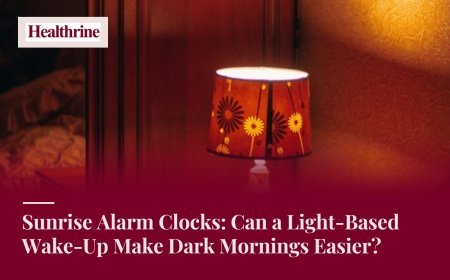
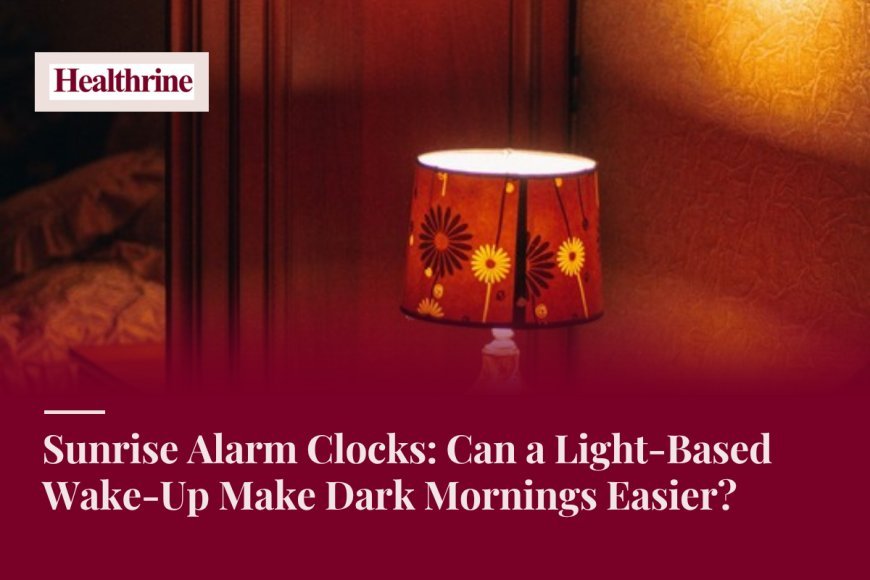
A sunrise alarm clock is a bedside lamp with a built-in timer. You set your wake-up time, and the light begins to glow dimly some minutes beforehand, often around twenty to forty minutes, gradually growing brighter and sometimes shifting from a warm red or orange to a brighter, whiter light. By your alarm time, the room is lit.
Most models also include a sound alarm, such as gentle chimes, birdsong, or radio, that plays at the set time in case the light alone does not wake you. Many have a sunset feature too, where the light dims slowly at bedtime, which some people like as a wind-down cue.
Prices range widely. Basic models offer a simple light ramp and a few sounds, while premium versions add app control, customizable colors, brighter maximum light, and extra sound options.
What the research says, and doesn't
Researchers have studied dawn simulation in small trials, mostly looking at how groggy people feel just after waking. A few small studies found that participants who reported difficulty waking felt less sleepy or more alert after waking with a simulated dawn compared with waking in the dark. Some also found modest differences in simple task performance shortly after waking.
The evidence is limited, though. The studies are generally small, short, and done under controlled conditions that may not match real bedrooms. Results are also mixed. One study in middle-aged and older adults found no clear effect on alertness, and a 2024 lab study of a combined light, sound, and temperature alarm found limited overall benefit compared with an ordinary alarm.
So it is fair to say a sunrise alarm may help some people feel like waking is a little gentler, but it will not work for everyone, and researchers are still learning about it. If you have persistent trouble with sleep or daytime tiredness, it is a good idea to talk with a health professional rather than relying on a gadget.
Why some people like them
Even with modest evidence, many users say they simply prefer waking to light rather than to a sudden noise. A gradual brightening can make the transition from sleep to waking feel calmer and less abrupt, especially on dark winter mornings.
A lit room may also make it easier to get out of bed. Stumbling around in the dark looking for a light switch is not much fun, and a softly lit room can feel more inviting. Some people also find that a pleasant wake-up makes them less likely to hit snooze.
Light is one of the cues that helps signal morning. CDC sleep guidance for workers notes that bright light in the morning can be helpful, and that outdoor light, even on a cloudy day, is brighter than typical indoor light. A sunrise alarm can be a gentle first step, while getting some daylight later in the morning remains worthwhile.
Features to look for
Brightness: Maximum brightness varies a lot between models. Brighter lamps create a stronger sunrise effect, but many people prefer a softer light. Look for adjustable brightness so you can find a level that suits you.
Sunrise duration: Being able to choose how long the light takes to brighten, from around ten minutes up to an hour, lets you experiment with what feels best.
Sound options: Check that the alarm sounds are pleasant to you, and that there is a backup sound alarm. Some models also include a radio or let you use your own audio.
Ease of use: Clear buttons, a simple display that can be dimmed at night, and an easy way to set or change the alarm make a big difference, especially when you are half asleep. Some models rely on an app, which some people love and others find fiddly.
Size and design: Think about your bedside space and how the lamp will look in your room. Some double as reading lights, which can save space on a crowded nightstand.
Power and backup: Check whether the clock keeps your alarm settings during a brief power cut, and whether it runs on mains power only or has a battery backup. If you rely on it for important mornings, a phone alarm as a second backup is a sensible habit at first.
Getting the most from a sunrise alarm
Place the lamp where the light can reach your face, typically on a bedside table angled toward the pillow. If you sleep with a partner who has a different schedule, consider placement carefully or discuss whether a shared wake-up light works for both of you.
Keep a regular wake time if you can. Many people find their mornings feel smoother when wake times are fairly consistent, including on weekends, and a sunrise alarm can be part of that routine.
Pair it with good sleep habits. CDC suggests keeping your bedroom quiet, dark, relaxing, and at a comfortable temperature, and turning off electronic devices at least thirty minutes before bed. A wake-up light works alongside these habits rather than replacing them.
Give it a fair try. It can take a week or two to get used to waking with light. If the light alone does not wake you, keep the sound alarm on as backup. Adjust the duration and brightness until it feels comfortable.
Notice how your mornings feel over a few weeks rather than judging by a single day. Some people keep a quick note of how easy it was to get up. If you find it makes no difference for you, that is useful to know too, and the lamp can still serve as a pleasant bedside light.
Is a sunrise alarm worth it?
A sunrise alarm clock may be worth trying if you dislike harsh alarms, find dark winter mornings especially hard, or simply enjoy the idea of a softer start. If you share a room, check that your partner is comfortable with the light.
It is not a magic solution, and the research is limited. But for some people, a slow, gentle sunrise on a dark morning is a small comfort that makes getting up a little more pleasant. If that sounds appealing, a basic model is an affordable way to find out whether it suits you.
What's Your Reaction?
 Like
0
 Dislike
0
 Love
0
 Funny
0
 Angry
0
 Sad
0
 Wow
0