
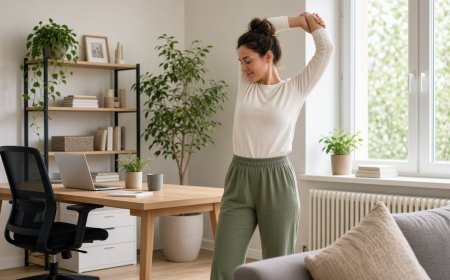
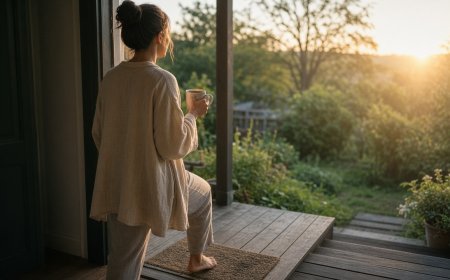
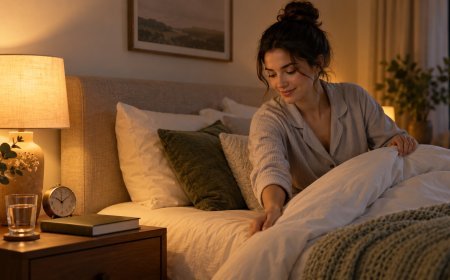

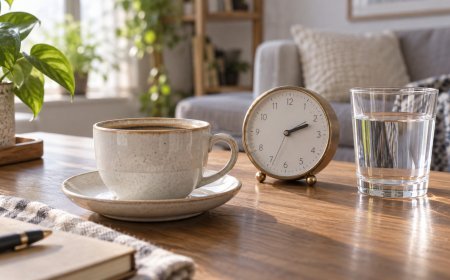
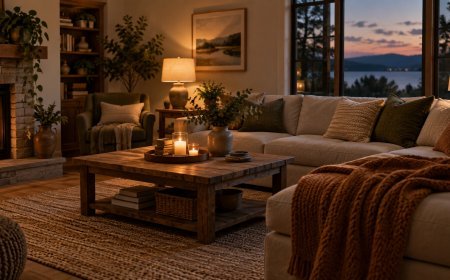
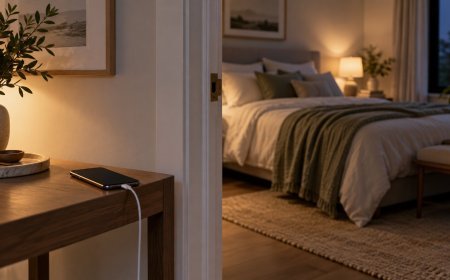























How Softer Evening Lighting Can Make the House Feel Ready for Rest
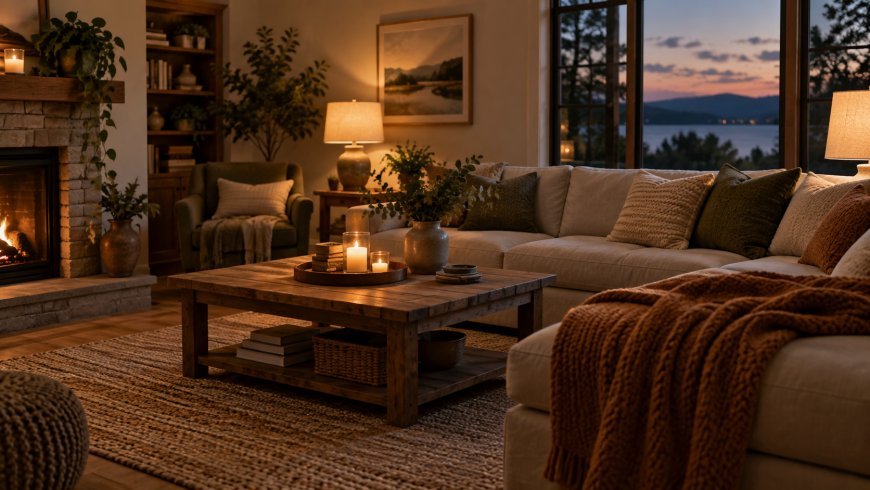
Houses have moods, and lighting is one of the fastest ways to change them. Bright overheads that helped you cook, answer messages, and find missing shoes can still be blazing at 9 p.m., leaving the rooms feeling like a workplace that never clocked out. Softer evening lighting is a simple seasonal self-care move: shift the house toward rest so your body gets the hint before you demand sleep on command.
This Wellness piece stays in lifestyle territory. It is about atmosphere and evening rhythm, not a clinical sleep protocol and not a claim that lamps cure insomnia. Think cozy fall evenings, dimmers, lamps, and a house that begins to look ready for rest.
Why Light Sets the Tone Before Bed Does
You do not only wind down with thoughts. You wind down with cues. A bright kitchen, a glowing hallway, and a living room lit like a showroom all tell the nervous system that the day is still fully on. Softer pools of light near seats, bedsides, and reading corners suggest a different chapter. The house starts speaking evening.
This matters especially as days shorten. Indoor light becomes most of what you see after work. Choosing warmer, lower light is a practical way to mark the transition from tasks to quieter hours without needing a perfect routine on day one.
What Softer Evening Lighting Is and Is Not
Softer evening lighting means reducing harsh overhead brightness after a chosen hour and favoring lamps, warm bulbs, and smaller light pools. It is not a medical treatment, not a requirement to sit in near-darkness, and not a judgment on people who need brighter light for safety, hobbies, or shared living. It is an atmospheric habit that helps the house feel ready for rest.
Keep task lighting available when you need it. Cooking late, helping with homework, or reading fine print can still use a brighter lamp. Softness is the default evening mood, not a ban on seeing clearly.
Pick an Evening Light Hour
Choose a rough time when the house shifts. For many households that is after dinner cleanup, or around an hour before the earliest bedtime. Flip the big overheads down or off. Turn on one or two lamps. If you have dimmers, lower them. The ritual can be as simple as a two-minute lighting pass through the main rooms.
Consistency helps more than perfection. The same lighting change at roughly the same time becomes a cue, the way closing a laptop or putting on house shoes becomes a cue. Your future self starts expecting rest mode when the rooms look a certain way.
- Turn off or dim harsh ceiling lights in living areas after your evening hour
- Use warm-toned bulbs in lamps you actually sit beside
- Keep a brighter task light for kitchen or desk needs, then switch it off when done
- Lower hallway brightness if safety still allows clear footing
- Let bedrooms lean softer earlier than workspaces when schedules differ
Lamps Beat Ceiling Floods for Evening Mood
Overhead fixtures wash a whole room in alertness. Lamps create corners. A reading lamp, a floor lamp behind a chair, or a small table light near the sofa makes the evening feel intentional instead of unfinished. You do not need a redesign. You need a few light sources at human height.
If budget is tight, start with one warm bulb in the lamp you already own and move that lamp where you actually spend evenings. Placement beats shopping. A lamp across the room that never gets used will not change the mood.
Warmth Is Part of Softness
Color temperature shapes how a room feels. Cool bright white can be useful for detail work. Warmer light often feels more like evening. When you replace bulbs in living and bedroom lamps, warmer options support the rest-ready atmosphere many people want after dark.
Screens complicate this, of course. A soft room with a blazing phone still feels loud. Pair lighting changes with ordinary screen kindness when you can: lower brightness, fewer tabs, or parking the phone for a stretch. Lighting sets the stage. Attention chooses the show.
A Simple House Lighting Pass
- Finish the kitchen tasks that need brighter light
- Dim or switch off the main overheads in shared rooms
- Turn on one lamp where people will sit
- Check stairs and hallways for safe, gentler light
- Set bedroom lamps for reading or quiet winding down
- Leave one clear path lit enough for late water or bathroom trips
That pass can take under five minutes. It is seasonal self-care disguised as housework. In cooler months it also pairs naturally with blankets, tea, and earlier evenings. The house starts looking like the season you are in.
Shared Homes and Different Bedtimes
Not everyone winds down together. Soft evening lighting can still work with zones. Keep a brighter corner for someone finishing work while the living room goes lamp-only. Use doorways and rugs as soft boundaries. Headphones and lamps can coexist better than one person demanding total darkness while another still needs to function.
Talk about the lighting hour the way you would talk about dinner timing. It is a household rhythm, not a surprise blackout. Kids often respond well to the visual cue that evening has begun, especially when it is paired with the same next steps each night.
Safety and Practical Exceptions
Soft is not unsafe. Keep night lights or low hallway light where falls are a risk. Outdoor entries, stairs, and homes with mobility needs deserve clear footing. Guests and overnight visitors may need brighter paths until they know the layout. Adapt the mood without turning the house into an obstacle course.
Hobby nights, game nights, and projects deserve honest light too. Soften again when the activity ends. The habit is flexible evening design, not a rigid aesthetic.
Pair Light With One Other Transition Cue
Lighting works even better beside one companion cue: changing into soft clothes, making herbal tea, putting the kitchen in overnight mode, or starting a short tidy of surfaces. Together they tell a clearer story than any single gesture. Keep the companion cue small so the pair remains doable on tired nights.
If you already have a bedtime routine that feels shaky, do not rebuild everything. Change the lights first for a week. Atmosphere is often the missing piece people try to replace with more rules.
Seasonal Notes for Darker Months
As daylight shortens, evening lighting becomes more of the day's visual diet. That can make harsh indoor brightness feel especially abrupt after sunset. A softer house in fall and winter is not only aesthetic. It is a way to soften the contrast between outdoor dark and indoor glare so the evening feels less like a warehouse and more like a place to land.
Candles are optional and only when supervised and safe. Many people prefer the reliability of lamps. Either way, the principle holds: smaller, warmer light pools beat all-room glare when you want the house to signal rest.
Bottom Line
Softer evening lighting helps the house feel ready for rest by replacing all-day brightness with warmer, lower pools of light after a chosen hour. It is seasonal self-care and evening rhythm, not clinical sleep advice. Use lamps, warm bulbs, a short lighting pass, and safe paths so the rooms look like evening before you ask yourself to feel like evening.
Tonight, after dinner cleanup, turn off one overhead and turn on one lamp where you actually sit. Let the house take the first step toward rest.
What's Your Reaction?
 Like
0
Like
0
 Dislike
0
Dislike
0
 Love
0
Love
0
 Funny
0
Funny
0
 Angry
0
Angry
0
 Sad
0
Sad
0
 Wow
0
Wow
0