
























Protein-Forward Weeknight Plates: Build Meals That Keep You Full Without a Strict Diet
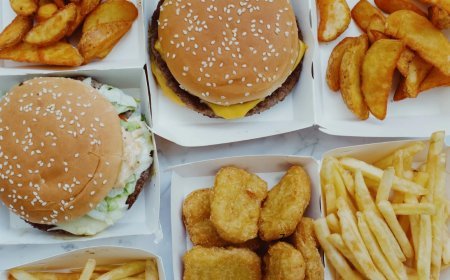
Weeknights fail in a familiar way. You get home a little late, the fridge looks like a group project nobody started, and the path of least resistance is a snacky plate that tastes fine and leaves you hunting the cabinets an hour later. A strict diet is not the missing piece for most households. A repeatable plate is.
This is lifestyle nutrition—how to build a dinner you will actually cook on a Tuesday so you stay full enough to skip the second dinner. No meal-plan religion, no supplement-as-a-shortcut, no medical claims. Just a simple formula, seven swaps that use grocery-store shortcuts, and a week of plates you can rearrange when someone is tired.
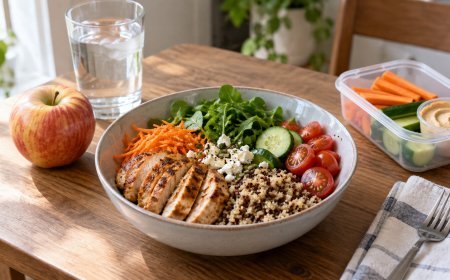
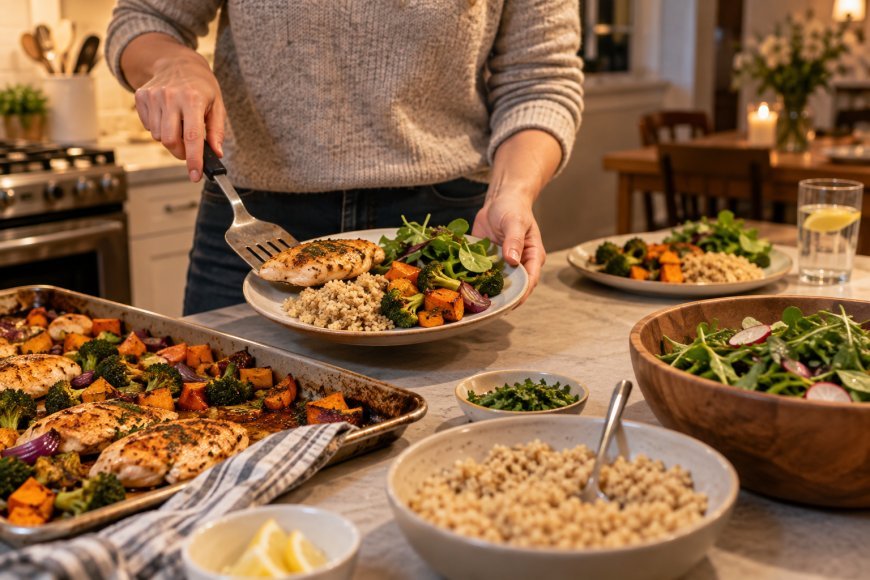
The plate formula (steal this, then stop optimizing it)
Build dinner in three parts, in this order:
1) A protein you can point to. Something that takes up a real spot on the plate—not a garnish of cheese on leftover pasta. Think a palm-to-handful portion of chicken, fish, eggs, tofu, beans, lentils, yogurt, cottage cheese, ground turkey, leftover steak, canned fish. You do not need a scale. You need to be able to answer “where is the protein?” without squinting.
2) Produce that takes up space. A heap of frozen vegetables, a bagged salad, a sheet-pan of peppers, a box of cherry tomatoes, slaw, leftover roasted broccoli. Volume is the point. It makes the plate look like dinner instead of a snack wearing a fork.
3) A satisfying side. Rice, potatoes, tortillas, pasta, bread, fruit, olive oil, a little cheese, avocado—whatever makes the meal feel like a meal in your house. Protein-forward does not mean carbohydrate-free. It means the protein showed up first so the side has a job besides being the whole show.
If you only remember one line: protein you can point to, produce you can see, a side you like. Repeat until it is boring. Boring is how weeknights get fed.
Why “keep you full” is a plate problem, not a willpower problem
A bowl of chips-and-salsa or a kid’s leftover nuggets can be calories without being a landing. Most people then graze. A plate with a clear protein and some bulk tends to sit longer. That is the whole pitch. You are arranging grocery-store food so 7:15 p.m. is quieter.
This is not a promise about weight, hormones, or gym results. It is a kitchen habit. If you like tracking, you can. You do not have to. The formula works as a visual: can you point to the protein, and is there a pile of plants?
Households with mixed preferences can still use one formula. Cook the protein once, set out two sides, let people assemble. The cook should not become a short-order diner.
Shop once so weeknights are assembly
A protein-forward week is mostly decided on one grocery run. You are stocking building blocks, not seven unique recipes.
A working cart looks like this:
• One “easy cooked” protein: rotisserie chicken, cooked shrimp, smoked salmon, baked tofu, a tray of meatballs
• One “cook once” protein: a pack of chicken thighs, ground turkey, a block of tofu, a dozen eggs, a bag of frozen fish
• Two fast proteins that need no heat: Greek yogurt, cottage cheese, canned beans, canned tuna or salmon, hummus, edamame
• Two bags of frozen vegetables you actually eat
• One fresh crunch thing: slaw mix, cucumber, salad kit, leftover roasted veg from Sunday
• Carbs you will finish: microwave rice, tortillas, small potatoes, pasta, bread you like
• Flavor in jars: salsa, chili crisp, mustard, pesto, hot sauce, a citrus, soy sauce, a dressing you would eat with a spoon
If the flavor is bland, people wander back to snacks. Sauce is not a character flaw. Keep two you will use.
Skip the cart full of novelty “protein products” you will not cook. A second rotisserie chicken beats a gadgety ingredient that needs a tutorial.
Seven easy swaps (use any three this week)
These are replacements for the snacky default, not a new cuisine.
1) Rotisserie chicken instead of starting from raw at 6:40 p.m. Pull meat while the oven heats something else—or do not turn the oven on. Chicken + bagged salad + warm tortillas is a plate. Chicken + frozen broccoli + leftover rice is a plate. Save the bones for later if that is your habit; it is not required.
2) Eggs as dinner without making it “breakfast for dinner” theater. A three-egg scramble or a couple of fried eggs over leftover vegetables and toast is a full plate. Add canned beans or a handful of cheese if you want more staying power. Eggs are the weeknight protein people forget they already own.
3) Greek yogurt or cottage cheese as the base, not the side. A bowl with yogurt, chopped cucumber, olive oil, salt, and leftover chicken or chickpeas is supper, not a snack pretending. Cottage cheese under salsa and crushed chips, or under roasted vegetables, does the same job. If the texture bothers someone in the house, blend it into a sauce or pick the other six swaps.
4) Canned beans plus one extra thing. Beans alone can feel like a side. Beans with an egg, a scoop of yogurt, crumbled leftover sausage, or a pile of cheese and slaw become a plate. Rinse the can, warm them in the skillet with whatever fat and spice is already out, and stop there.
5) Frozen shrimp instead of a 40-minute fish plan. They thaw fast under cold water and cook in minutes. Shrimp + frozen vegetables + microwave rice + a jar sauce is a complete weeknight. Buy the size you will actually cook; a giant bag that becomes freezer furniture helps nobody.
6) Double the protein, keep the sides you already like. If taco night is happening anyway, add an extra skillet of turkey or a can of refried beans so the plate is not just chips and a little meat. Same meal, clearer protein. This is the swap for nights you will not invent a new recipe.
7) Leftover grain bowls instead of “just the leftover carbs.” Last night’s rice or pasta is a side looking for a job. Add a can of tuna, leftover chicken, edamame, or tofu, plus something green and something salty. The leftover is no longer the meal. It is the landing pad.
You do not need all seven. Three swaps in rotation will cover most Tuesdays.
A week of plates you can rearrange
Treat these as sketches. Swap the protein you have. Keep the structure.
Monday — rotisserie and something cold. Shredded chicken, a salad kit or slaw, warm tortillas or pita, salsa or yogurt-lime. Ten minutes if the chicken is already home.
Tuesday — skillet beans and eggs. Warm beans with onion or chili powder if you have it. Fry eggs. Pile on toast or rice. Add leftover vegetables or a handful of spinach at the end so the pan looks like dinner.
Wednesday — shrimp and freezer vegetables. Shrimp in a hot pan, bag of mixed vegetables, microwave rice, jar sauce. If shrimp is not in the budget this week, use the leftover chicken or tofu cubes.
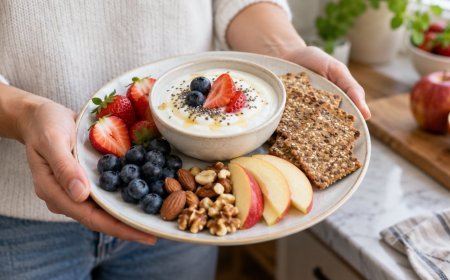
Thursday — yogurt bowls that are actually supper. A deep bowl of Greek yogurt or cottage cheese, chopped vegetables, olive oil, herbs if they are alive, leftover protein or chickpeas, and crackers or pita on the side so nobody feels punished.
Friday — the household’s usual takeout-shaped plate, rebuilt. If pizza is the social plan, add a plate of rotisserie or a bowl of yogurt-cucumber on the side so the night still has a protein you can point to. If takeout is chicken already, add the produce at home. You are not “being good.” You are finishing the formula so 9 p.m. is quieter.
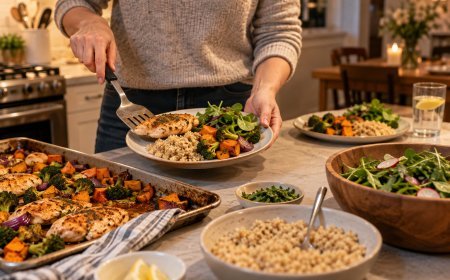
Saturday — cook-once protein for the weekend and Monday. Chicken thighs, a tray of tofu, or a pot of lentils. Roast a sheet of vegetables at the same time. Future you is the point of Saturday, not a complicated sauce.
Sunday — leftover remix. Grain + leftover protein + leftover vegetables + a new sauce so it does not taste like Saturday. If the leftovers are thin, add eggs or a can of fish and call it done.
If a night explodes—late practice, late train—use the minimum viable plate: one fast protein (yogurt, eggs, canned fish, leftover chicken), one produce (apple, frozen peas, bagged salad), one satisfying side (toast, tortilla, handful of chips you were going to eat anyway). Minimum still follows the formula. “I gave up” is how the cabinet opens twice.
Flavor so the formula does not taste like homework
People abandon protein-forward plates when dinner tastes like a gym brochure. Keep a tiny flavor kit and rotate it so the same chicken does not feel like the same chicken.
• Bright: lemon, salsa, pickle brine, yogurt-garlic
• Rich: pesto, chili crisp, tahini, a little butter on the vegetables
• Salty-crunch: toasted nuts if you have them, crushed chips, feta, olives
• Heat: hot sauce, pepper flakes, a leftover takeout packet
Sauce the vegetables and the protein, not only the carb. A dry chicken breast next to dry broccoli is why people order sandwiches. Oil, salt, and acid are cooking, not “cheating.”
What to do with picky eaters, partners, and real kitchens
Deconstruct the plate. One protein in a bowl, vegetables in another, tortillas in a towel. People build what they will eat. You still cooked once.
If someone wants a bigger carb side, they can have it. The formula is “protein showed up,” not “everyone matches your portion.” Policing plates is how this stops being a household habit and starts being an argument.
Kids often do better with familiar shapes: quesadilla plus chicken on the side, pasta plus meatballs you already bought, yogurt with fruit plus a piece of whatever the adults are eating. The adult plate can still be protein-forward without making the table a seminar.
Tiny kitchens: use one skillet and one microwave. Sheet pans are great when the oven is free; they are not required. Paper plates on a wrecked night still count if the three parts are there.
What this is not
It is not a medical protocol. It is not a promise that a plate will change your labs, your sleep, or your body on a deadline. It is not a powder, a bar, or a “protocol” in a shaker bottle. Those products can be groceries if you already like them. They are not the plan, and they are not a stand-in for dinner.
It is not a ban on the foods you like. Pasta nights stay. So do tacos. The move is to put a protein you can point to on the same table, plus something green or frozen that takes up space.
If you have a specific eating plan from a professional you already work with, this article does not replace that. It is a weeknight assembly habit for ordinary kitchens.
A 15-minute setup for this week
Tonight, look at the next four dinners and write the protein for each—one word is enough: chicken, eggs, shrimp, beans, yogurt. Check that those words exist in the fridge or go on the grocery list. Put one jar sauce in front, not behind the expired marinades. Tomorrow, cook or buy the easy protein first, then add produce and a side you already like.
After seven days, keep the three swaps you actually repeated. Drop the rest. A plate formula that happens on Thursday is worth more than seven clever ideas that stayed in a tab.
Bottom line
Protein-forward weeknights are not a diet. They are a plate you can build when you are tired: a protein you can point to, produce you can see, a side that makes it feel like dinner. Use grocery shortcuts—rotisserie, eggs, yogurt, canned beans, frozen shrimp—and recycle leftovers as a landing pad instead of as the whole meal.
Start with one labeled protein for tomorrow night and one swap from the list of seven. If you still want a snack later, fine. The goal is a first dinner that holds, not a personality makeover in the kitchen.
What's Your Reaction?
 Like
0
Like
0
 Dislike
0
Dislike
0
 Love
0
Love
0
 Funny
0
Funny
0
 Angry
0
Angry
0
 Sad
0
Sad
0
 Wow
0
Wow
0