













What Happens to Your Energy When You Take a 10-Minute Walk After Lunch

The afternoon slump has a familiar script: lunch ends, the chair feels heavier, and another coffee starts to sound necessary. A ten-minute walk will not fix every cause of low energy, but it can interrupt the pattern of eating, sitting, and immediately returning to a screen.
Think of this as a lifestyle experiment, not a workout challenge. Walk at a comfortable pace that fits your ability and surroundings. If movement causes pain, dizziness, or unusual symptoms, stop and seek appropriate guidance.
You Create a Clear Break in the Day
Walking marks the end of lunch and the beginning of the afternoon. That physical transition can feel more refreshing than staying at the same desk while switching tabs. Even an indoor hallway or a few loops around the building can create the cue.
Your Attention Gets a Change of Scenery
Screens keep the eyes and mind focused at close range. A short walk introduces distance, daylight, sounds, and movement. The variety can make returning to a task feel less like continuing one endless sitting session.
The Habit Feels Small Enough to Repeat
Ten minutes is short enough to fit between meetings and long enough to feel intentional. Because the commitment is modest, it is easier to repeat on ordinary days—the ones that actually build routines.
You May Rethink the “No Time” Story
A walk does not require a gym bag, shower, or special class. Once you see where ten minutes fits, other small movement opportunities become more visible: stairs, a farther parking spot, or a quick errand on foot.
Outdoor Light Can Make the Break Feel Bigger
When weather and location allow, walking outside separates the break from the workplace. Dress for conditions, use a safe route, and keep situational awareness instead of staring at the phone. Indoor walking remains a perfectly useful backup.
Conversation Can Replace Scrolling
Invite a coworker or household member, but keep the pace comfortable enough to talk. A walking conversation can provide connection without requiring another scheduled event. Solo walks can offer quiet when the day has already been socially crowded.
Consistency Matters More Than Speed
This is not a race. A gentle walk completed most days is more sustainable than a fast pace that feels punishing. Track the habit with a simple check mark rather than turning every walk into a performance metric.
Build a Trigger That Makes It Automatic
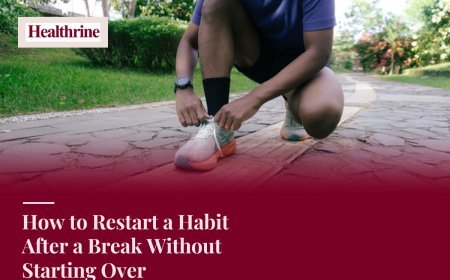
Connect the walk to something that already happens: putting away lunch, rinsing a dish, or closing the lunch container. Keep shoes accessible and choose a default route so the decision has already been made.
The Bottom Line
After a week, judge the habit by practical questions: Did you return more alert? Was it easy to fit in? Did it improve the shape of the afternoon? Keep it if it makes the day feel better and adapt it to your needs.
What's Your Reaction?
 Like
0
Like
0
 Dislike
0
Dislike
0
 Love
0
Love
0
 Funny
0
Funny
0
 Angry
0
Angry
0
 Sad
0
Sad
0
 Wow
0
Wow
0